

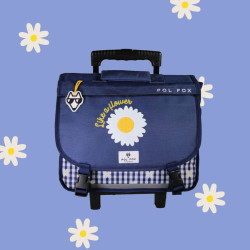
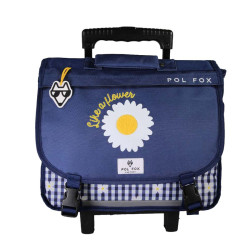
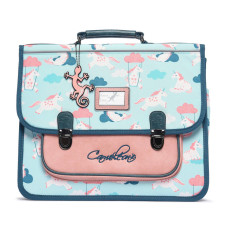
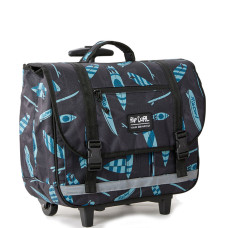
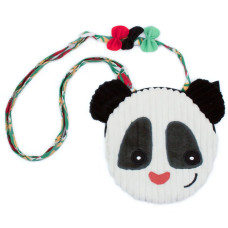
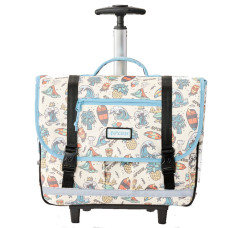
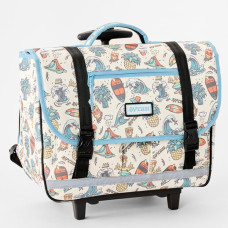
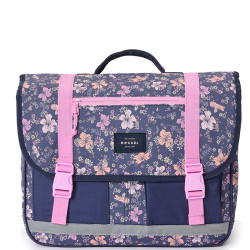
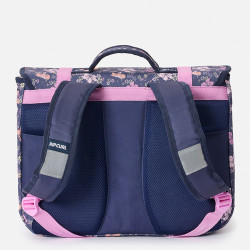


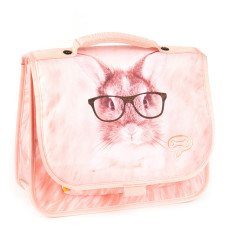
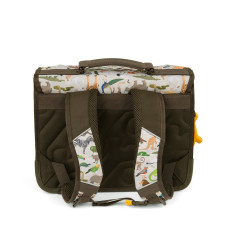
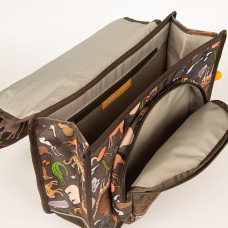
Stones And Bones 35cm Iris PL Bunny Pink School Bag
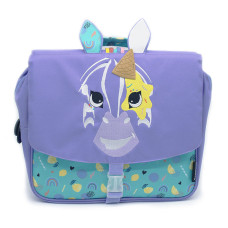
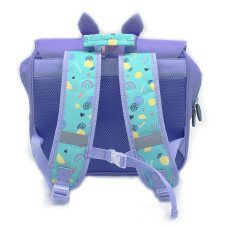
The Deglingos 32cm Kiprokos The Zebra School Bag
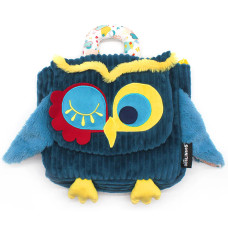
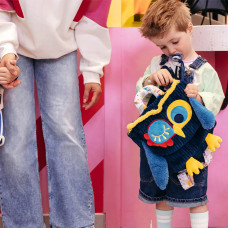
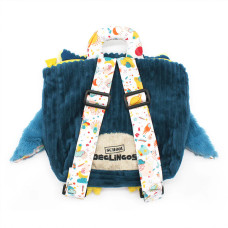
The Deglingos Doudou Bag School Bag Astros the Owl
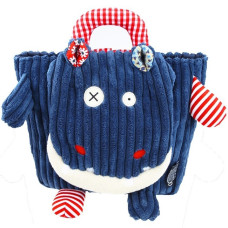
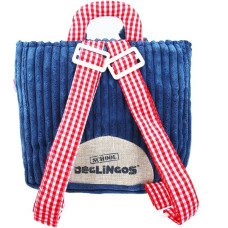
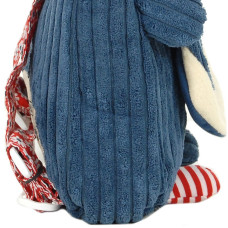
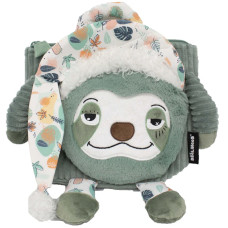
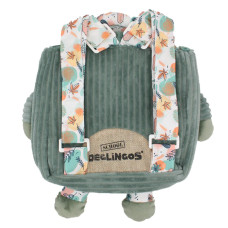
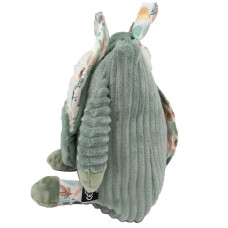
The Deglingos Teddy Bear Backpack Chillos The Lazy One
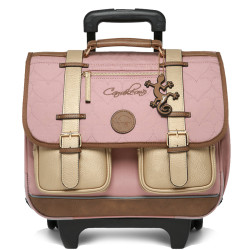
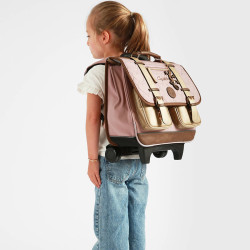
A school backpack for girl must meet three concrete criteria: the ability to hold the child's school supplies, the comfort of the back during the daily commute, and a design that appeals to her. The criterion that guides the choice here remains actual usage: school level, distance to travel, and volume of supplies to transport.
Choosing a school backpack for a girl: essential criteria
The first decision concerns size. School backpacks for girls generally come in four main dimensions, adapted to each age and level:
- 32 cm : for the large section of kindergarten, with light content
- 35 cm : for children aged 4 to 6, often adapted for the beginning of primary school
- 38 cm : for children aged 6 to 8, from CP to CE2 depending on the volume to carry
- 41 cm : for the older ones, at the end of primary school, when notebooks and folders become more bulky
In practice, the right size depends mainly on the format of the notebooks. A 35 to 38 cm backpack is often enough for a few 24 x 32 cm notebooks, while a 41 cm becomes more coherent as the load increases. The price generally follows this logic: the larger the format, the higher the cost.
Styles and designs for primary school
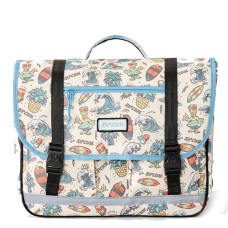
What differentiates this type of backpack is the variety of styles offered. Flowers, solid models, embroidery, sequins, or shiny details: the offer covers both assertive tastes and more sober preferences.
The most frequent colors remain easy to locate:
- Blue : discreet, versatile, rarely soiled in daily use
- Pink : often chosen for soft or decorative models
- Purple : intermediate nuance, very present in primary school
- Green : a more original option, but easy to match
- Solid or patterned : flowers, embroidery, sequins depending on collections
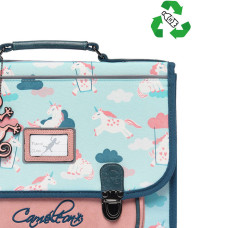
Collections from brands like Cabaïa or Caméléon regularly renew patterns and finishes. In practice, for daily use, the decoration matters, but the fabric's resistance and ease of maintenance count just as much.
Practical organization: compartments and capacity
The internal organization of the backpack conditions the ease of access to supplies. Two configurations dominate:
- 2 compartments : simple organization, adapted for the youngest classes
- 3 compartments or more : clearer separation of notebooks, books, and pencil case
The real question lies in capacity and material, but also in how the child organizes their belongings. A 2-compartment model is often sufficient until CP or CE1, while a 3-compartment model becomes more practical when subjects multiply. At comparable capacity, a primary school backpack often offers between 10 and 18 liters.
The number of pockets also influences the final price. More detailed storage generally costs a bit more, but it limits handling and improves daily autonomy.
Padded back and straps: comfort for school
The padded back remains an important point of vigilance. What differentiates a basic model from a better-designed one is often the density of the padding, the width of the straps, and the quality of the adjustments.
In practice, for daily use, it is better to aim for wide, adjustable, and slightly quilted straps. An empty backpack often weighs between 700 g and 1.2 kg: beyond that, comfort degrades quickly if the child walks for long periods. The sector benchmark is simple: the loaded bag should not exceed about 10% of the child's weight.
Types of backpacks: classic or wheeled
Two main types of backpacks are found in the school offer:
- Classic backpack : carried on the back, lighter, better suited for stairs and short trips
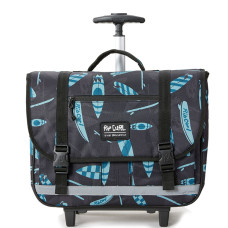
- Wheeled backpack : pulled along the ground, useful if the load is heavy or the trip is long
The criterion that guides the choice here remains the daily commute. A wheeled model relieves carrying, but it weighs more when empty, often between 1.5 and 2.5 kg. To be preferred if you are looking for a solution for long hallways, transport, or very heavy trips, less so if the child has to climb stairs every day.
Price range and budget
The price varies mainly according to three elements: size, material, and integrated equipment. A small simple backpack logically costs less than a 41 cm one with wheels, reinforced back, and multiple compartments.
One useful reference is retained: entry-level for occasional use, mid-range for the majority of primary needs, higher budget if you are looking for a more rigid structure, reinforced finishes, or a wheeled system. The right compromise is made between empty weight, internal organization, and seam strength.
For primary school, the available formats and styles cover the entire elementary schooling, from the large section to CM2. As mentioned regarding size, it is better to choose based on the notebooks actually required by the establishment rather than age alone.