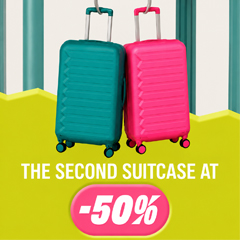
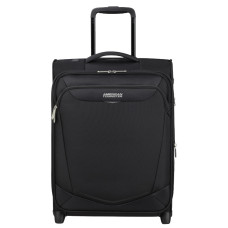
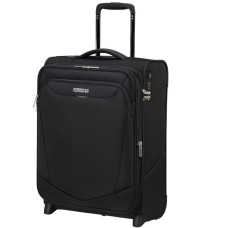
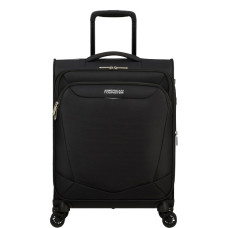
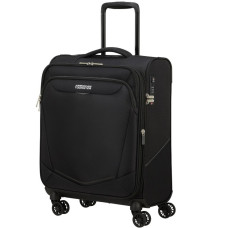
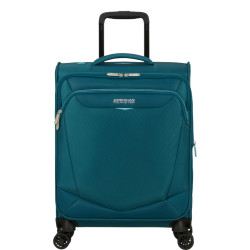
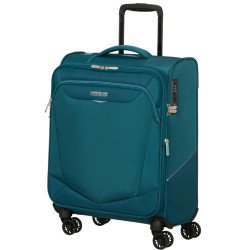
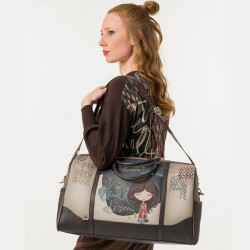
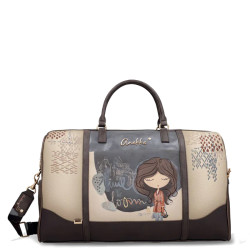
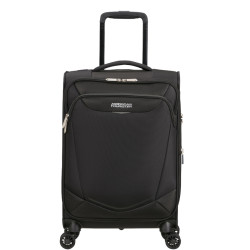
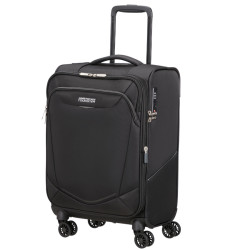
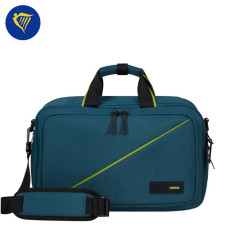
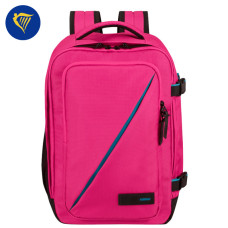
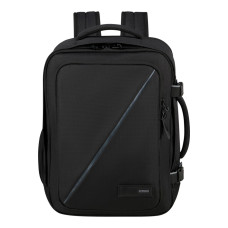
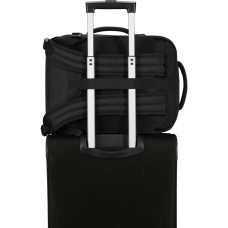
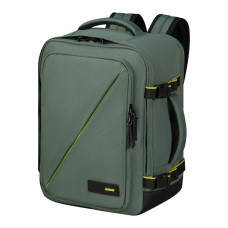
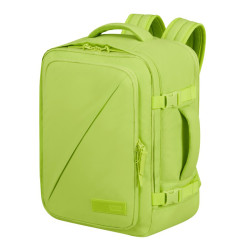
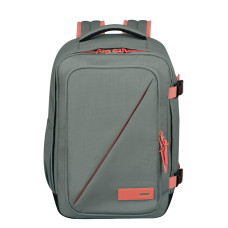
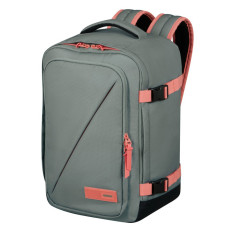
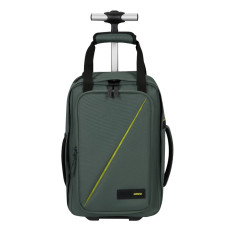
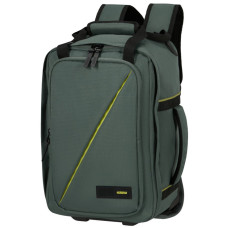
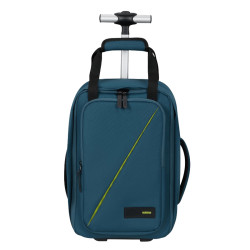
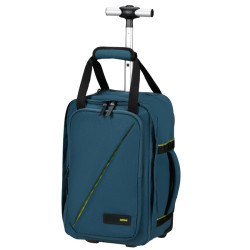
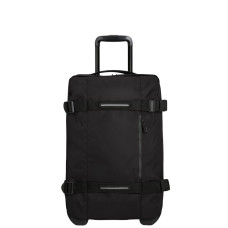
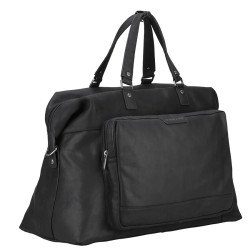
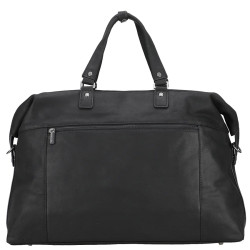
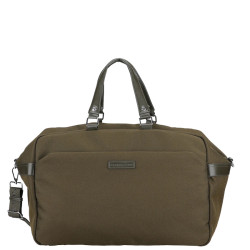
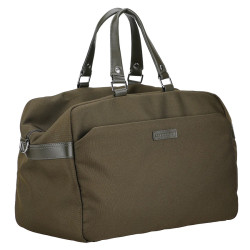
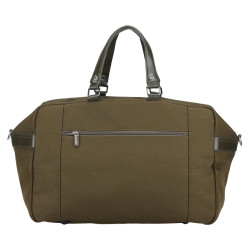
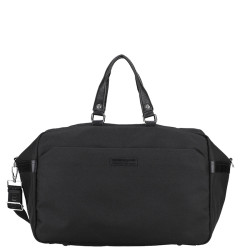
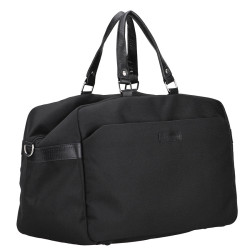
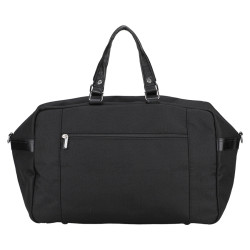
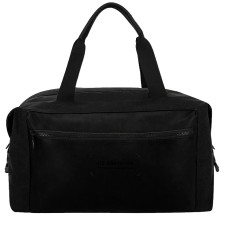
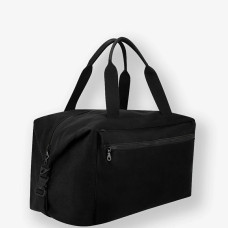
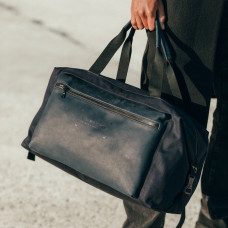
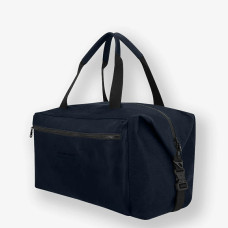
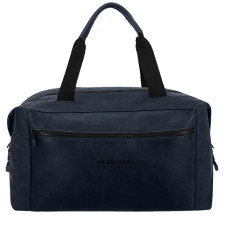
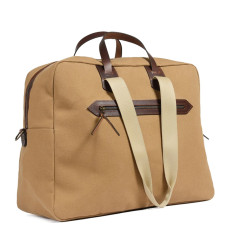
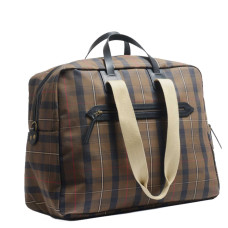
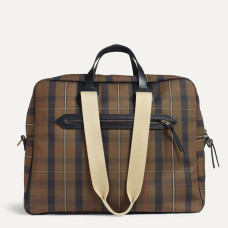
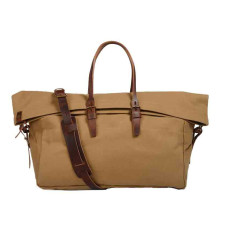
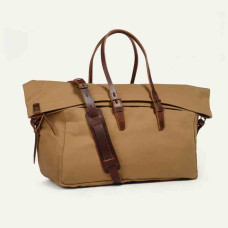
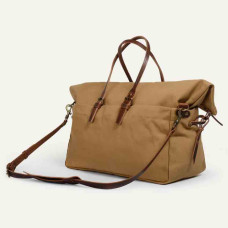
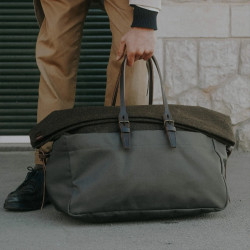
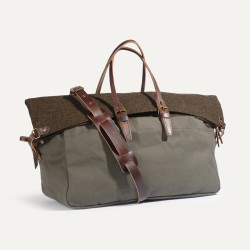
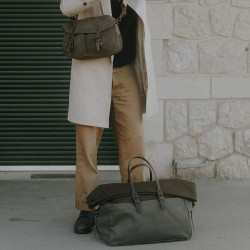
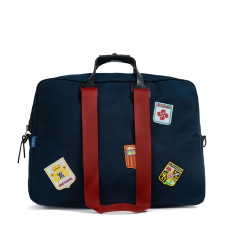
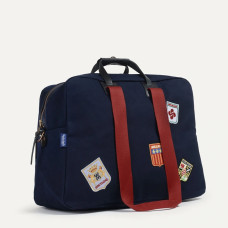
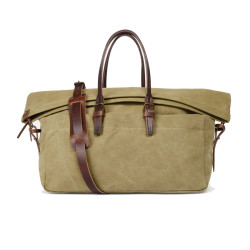
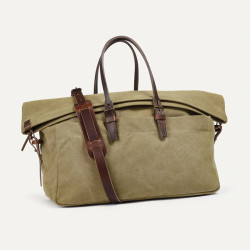
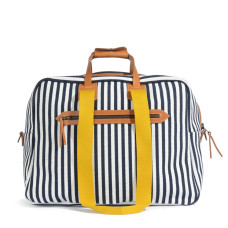
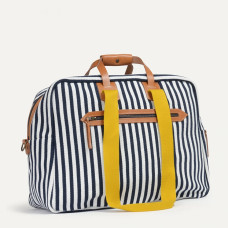
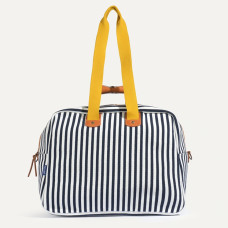
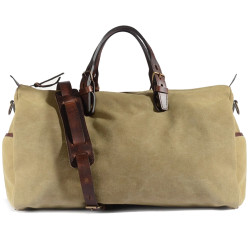
Our range of cabin suitcases and travel luggage
A cabin bag must meet specific criteria to be accepted on board: dimensions, weight, closure system, and maneuverability. In practice, a cabin suitcase does not follow a single standard for all airlines, but a common reference remains 55 × 40 × 20 cm, with an empty weight often between 2.5 and 4 kg depending on the construction.
The real question lies in capacity and material: hard shell, semi-rigid format, or soft bag. Each luggage item offered must be checked according to the airline used, especially on low-cost routes where tolerances are often stricter.
Cabin suitcases with wheels for greater mobility
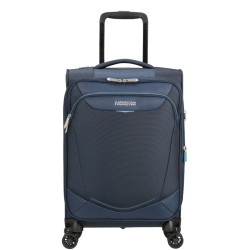
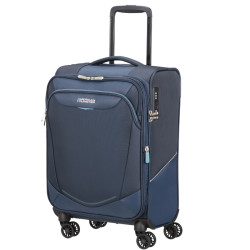
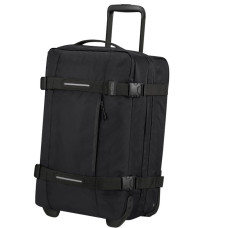
Cabin suitcases equipped with wheels facilitate movement through terminals, corridors, and boarding queues. What differentiates this type of bag is its balance between volume retention, rolling comfort, and quick access to contents.
- Common format: 55 × 40 × 20 cm, to be verified according to the airline
- Trolley with multidirectional wheels for better maneuverability
- Telescopic handle in aluminum, more stable in use
- Empty weight generally between 2.5 and 4 kg depending on the model
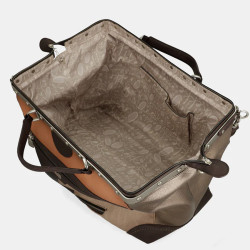
- Internal compartments with dividers and zippered pockets
- TSA lock integrated in some versions
- Available in rigid or semi-rigid versions depending on the desired use
High-end materials and refined finishes
Cabin suitcases of fine quality focus on durability and assembly quality. The criterion guiding the choice here is travel frequency: for regular use, polycarbonate remains interesting for its light weight, while leather or leather-canvas mixes offer a more tailored look.
Houses like Arthur & Aston, Ateliers Fourès, or Bleu de Chauffe offer luggage with more elaborate finishes. In practice, for daily or frequent use, one should mainly look at the quality of closures, handles, wheels, and stitching.
- Polycarbonate shell, lightweight and resistant to travel shocks
- Details in aluminum or stainless steel on some models
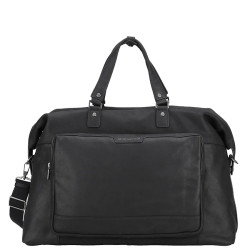
- Full-grain leather for more structured versions
- Reinforced zipper closure and security lock
- Subtle or more contemporary colors depending on the desired style
- Materials tested for durability suitable for repeated use
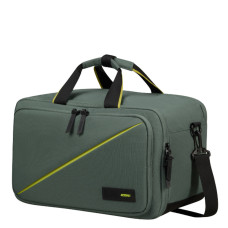
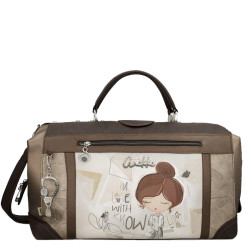
For travelers seeking more flexibility, soft suitcases and trolleys offer a concrete advantage: they fit more easily into tight spaces and often weigh less than a hard shell. To be preferred if you are looking for luggage that is easy to carry, store, or slightly compress.
- Rolling bags with wheels for easier transport
- Durable fabric, often water-repellent
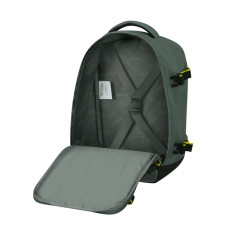
- Specialized compartments, YKK zippers depending on the model, organization pouches
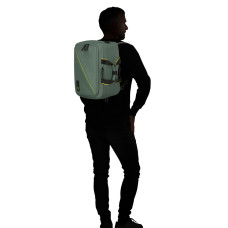
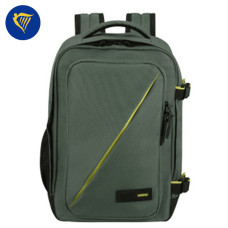
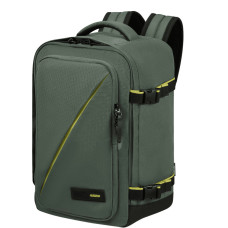
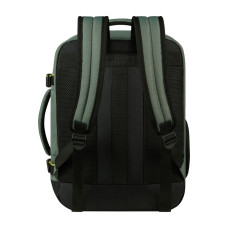
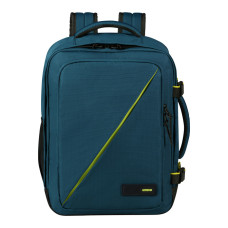
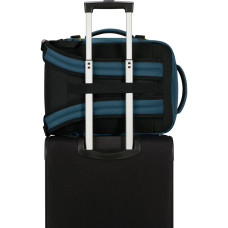
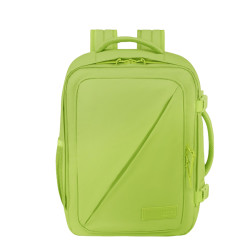
- Cabin backpacks in various sizes to adjust volume to contents
- Foldable models for more compact storage when not in use
- Formats compliant with cabin dimensions depending on the reference
Which cabin bag to choose according to your use?
The choice between a rigid cabin suitcase, a soft suitcase, or a trolley depends mainly on your travel rhythm and the type of content transported. What truly differentiates these formats is content protection, empty weight, and ease of storage.
For regular business trips
A rigid cabin suitcase with wheels and a stable handle remains the clearest solution. Polycarbonate better protects a computer, folders, or carefully folded items, while well-distributed compartments allow quick access at security checks or in the boarding area.
For short trips or city breaks
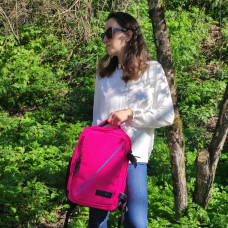
A cabin backpack or a small trolley is often sufficient for 24 to 48 hours, with a useful volume of about 20 to 35 liters. These lightweight formats simplify connections, stairs, and urban transport, following the same logic as the strictest cabin format.
For family or leisure trips
A cabin suitcase with wheels and good capacity is better suited if you need to organize multiple outfits, shoes, or accessories. A soft suitcase remains interesting if you anticipate a full trunk, a narrow shelf, or compressed storage in a train or car.
The TSA lock provides a useful reference on trips with enhanced security checks: it facilitates inspection without damaging the closure. In practice, for daily use, this feature matters less than the quality of zippers, wheels, and the handle.
The selection may include different signatures depending on the intended use: Arthur & Aston for leather bags, Ateliers Fourès for a leathercraft approach, Bleu de Chauffe for more artisanal lines, American Tourister for technical travel-oriented solutions. The criterion guiding the choice here is less the name than the match between actual dimensions, empty weight, and construction robustness.
In fact, airline compliance is verified model by model. A cabin or TSA mention does not exempt you from checking the exact dimensions, capacity in liters, and weight allowed by the airline used.