

Boys schoolbag
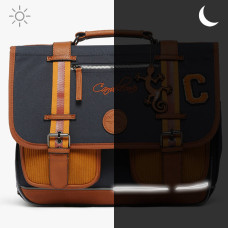
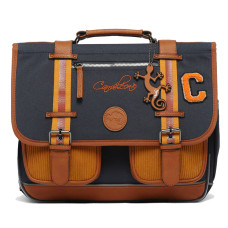
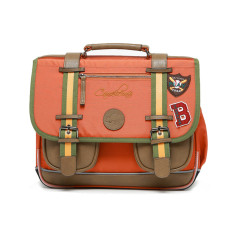
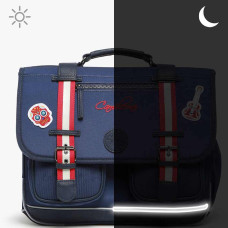
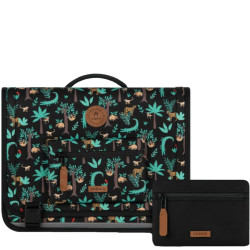
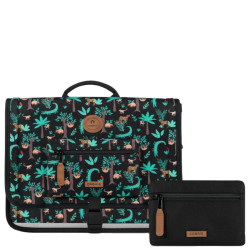
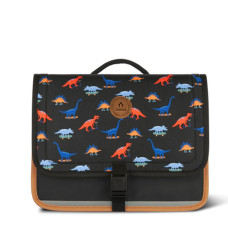
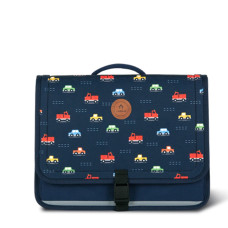
Plain or with boys' graphics, the models presented are also solid. Primary ideal.
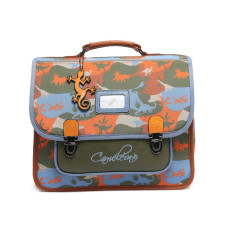
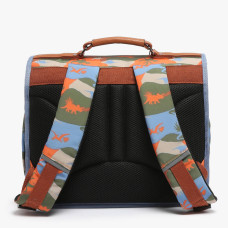
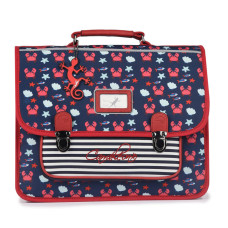
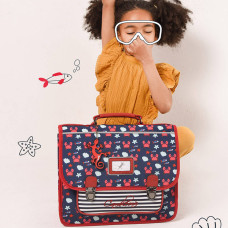
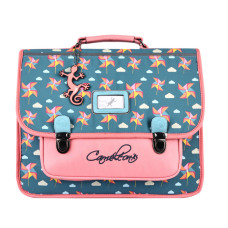
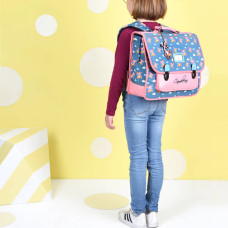
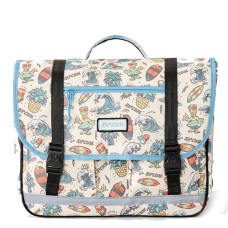
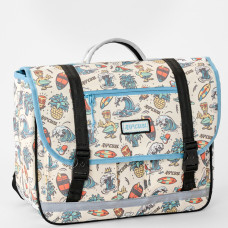
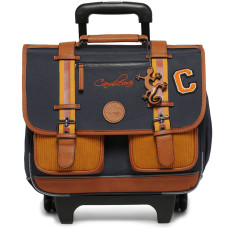
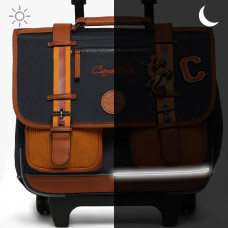
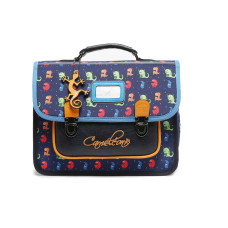
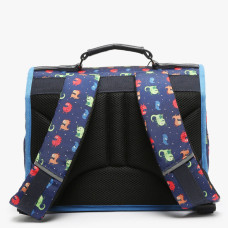
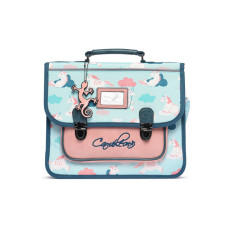
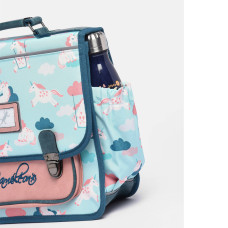
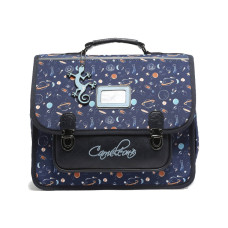
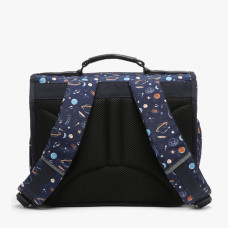
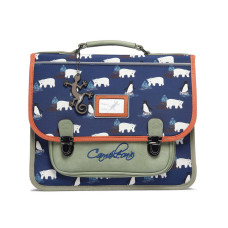
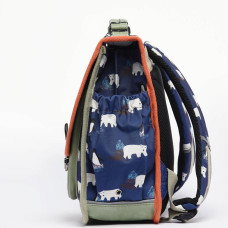
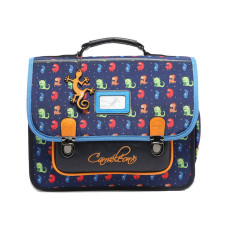
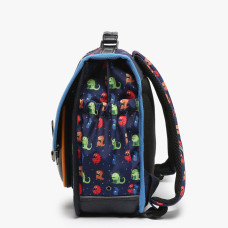
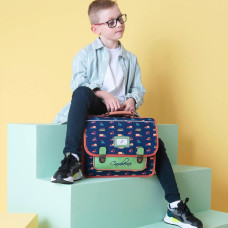
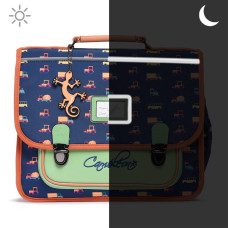
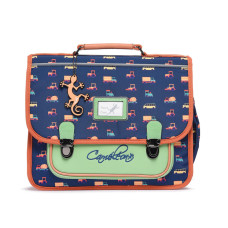
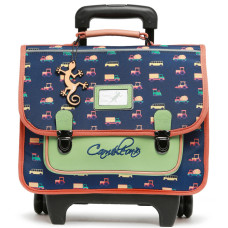
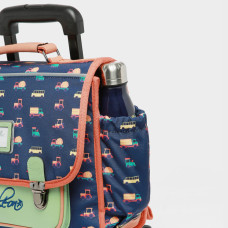
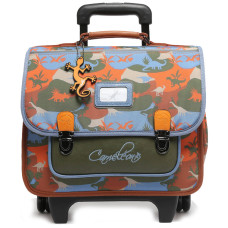
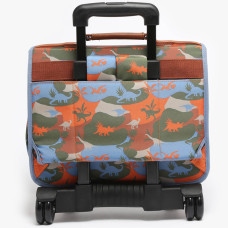
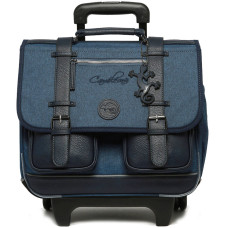
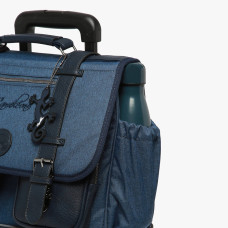
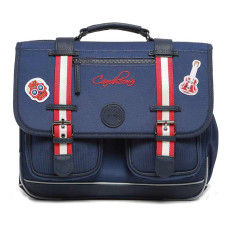
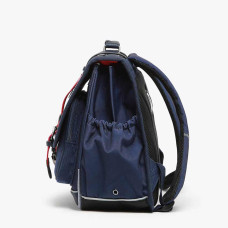
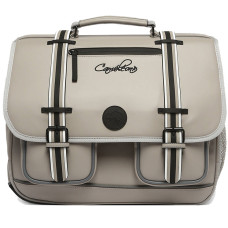
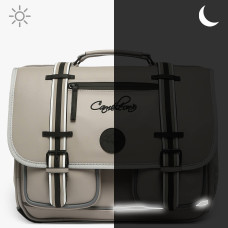
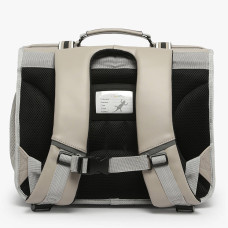
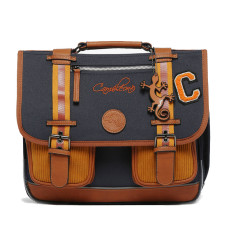
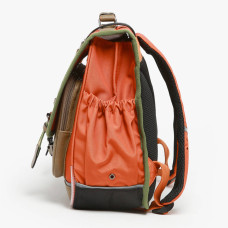
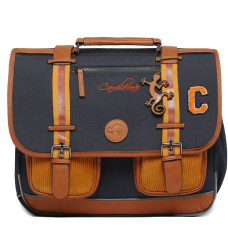
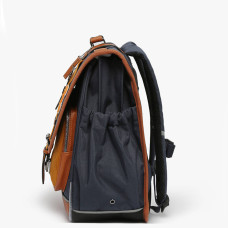
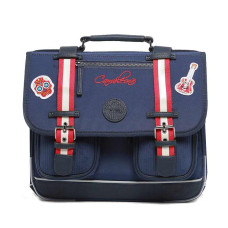
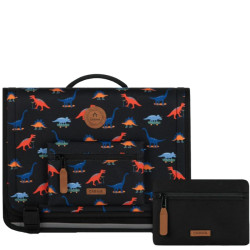
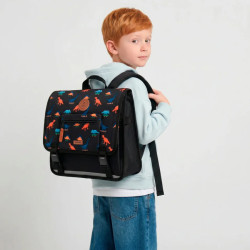
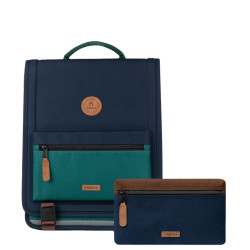
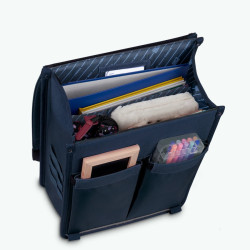
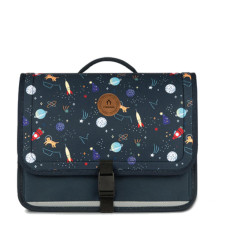
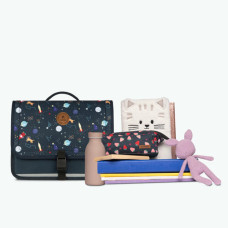
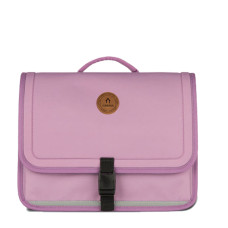
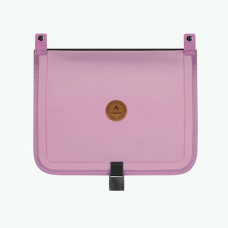
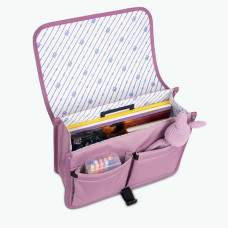
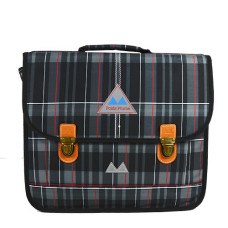
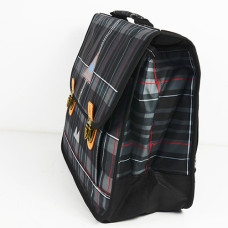
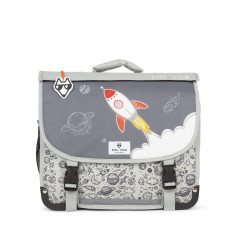
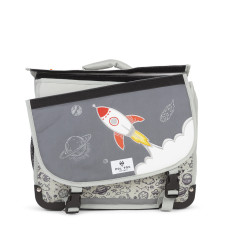
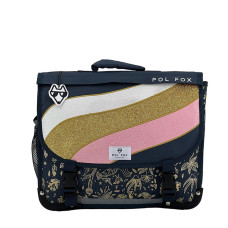
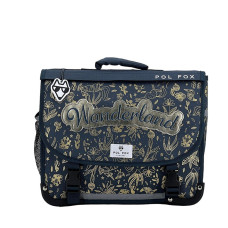
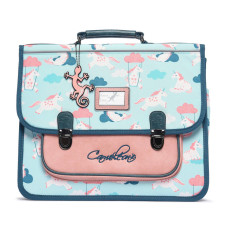
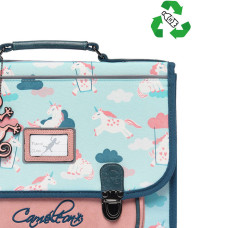


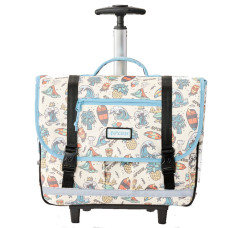
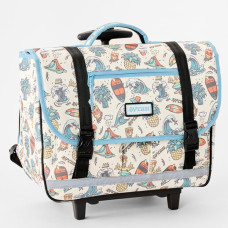
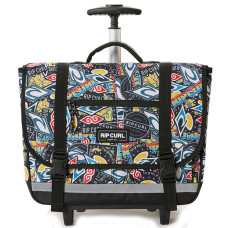
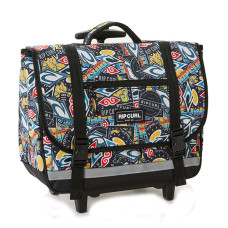
Boys' school bag: choosing the right school bag
A boys' school bag represents a significant purchase for your child's schooling. This accessory accompanies schoolchildren throughout the year, from daily commutes to class outings. The school bag must balance three concrete points: durability, comfort, and a design appreciated by the child.
Whether plain or featuring more prominent graphics, models intended for boys generally prioritize robustness. The criterion guiding the choice here lies in capacity, material, and adaptation to the child's build. A suitcase or backpack may suit other uses, but the school bag remains the reference format for carrying books, notebooks, and school supplies daily.
School bag range by size and age
Four sizes are offered to accompany your child's growth: 32 cm, 35 cm, 38 cm, and 41 cm. Each dimension corresponds to a specific school level, from kindergarten to the classes for older children.
- 32 cm school bag: compact format for the youngest children, generally suitable for under 4 years old.
- 35 cm school bag: reference size for kindergarten and the beginning of primary school, i.e., approximately 4 to 7 years old. Cabaïa Discover S models fall within this format, with a design tailored for this age.
- 38 cm school bag: format suitable for older children, with increased capacity for notebooks and light binders.
- 41 cm school bag: largest format, often chosen for pre-teens and the transition to middle school, when books become bulkier.
In practice, choosing the right size means considering your child's current build, not their future growth. An oversized school bag strains the shoulders, sits too low on the back, and makes movement more difficult.
Brand collections: Cabaïa and Caméléon
Two brands structure the main offer and hold a recognized place in children's school leather goods.
Cabaïa positions itself primarily for younger children. The Discover S range includes compact 35 cm school bags designed for children aged 4 to 7. What sets this type of bag apart is an approach focused on ease of use, durability, and simple handling.
Caméléon offers a broader range, with several lines aimed at diversifying boys' styles:
- Actua line l: understated models, available with or without wheels, for functional use.
- Rétro collection: more classic design, available in simple or wheeled versions.
- Vintage Color series: bolder style, with a refined color palette.
- Caméléon Basic Actual: wheeled school bag, focused on lightness and maneuverability.
Wheeled vs. non-wheeled school bags
The mobility of the school bag determines the child's comfort on the school route. The criterion guiding the choice here depends mainly on distance, the terrain of the route, and the weight carried throughout the week.
Wheeled school bags: often available in 35 cm and 38 cm, they reduce carrying effort on long routes. The child pulls the bag instead of carrying it, which relieves the shoulders. This solution is recommended if the route is flat and relatively long: with frequent stairs, wheels become less practical.
Non-wheeled school bags: lighter and easier to handle, they are better suited to short routes. In practice, for daily use between home, car, and classroom, this format is often sufficient. It also fits more easily under a desk or in a locker.
Internal organization and school bag compartments
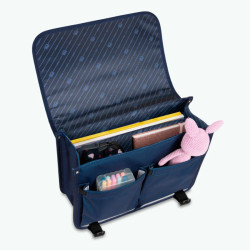
The distinction between 2- or 3-compartment models shapes the daily organization of school supplies. What sets this type of bag apart lies in the balance between simplicity, sorting capacity, and good distribution of contents.
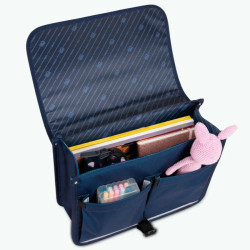
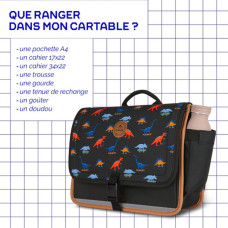
- 2-compartment school bags: simple organization, suitable for the youngest children. This format is often sufficient in kindergarten and at the start of primary school, with a clear separation between main items and the rest.
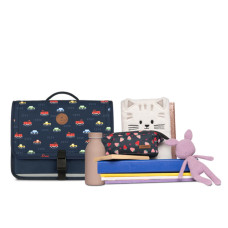
- 3-compartment school bags: better weight distribution and more precise storage. The child can more easily separate books, pencil case, snack, and sports gear. This format becomes useful from upper primary school.
Recommended if you seek a clearer organization: multiple compartments facilitate quick access to items and limit clutter at the bottom of the bag.
Weight and comfort: ergonomic guidelines for school bags
The real issue lies in the weight of the empty school bag and how the load is distributed. A quality rigid school bag generally weighs between 800 g and 1,200 g, depending on size, the presence of wheels, and the materials used.
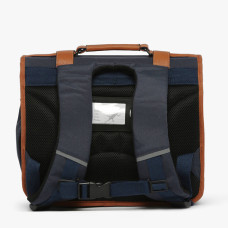
In practice, an overly heavy model strains the shoulders and back, even if not filled to capacity. Straps should be wide, padded, and adjustable, with a back that remains stable against the body. The useful criterion, in fact, is also to check the quality of the stitching, buckles, and base of the bag: these are the most stressed areas during the year.
Boys' models: designs and colors
Design plays a real role in the child's attachment to their school equipment. Boys' models often feature blue, gray, black, or khaki tones, sometimes with brighter accents and sports or urban graphics.
In practice, it is useful to involve your child in choosing the style. A well-liked school bag is often better maintained and worn more willingly. However, the key reference remains the same as for material or size: aesthetics come after comfort and adequate capacity.
How to choose the right school bag for school
To help you quickly, a few concrete criteria allow you to sort through models without unnecessary hesitation:
- Check the appropriate size for your child's age and current build: 32, 35, 38, or 41 cm.
- Assess the weight of the empty school bag: below 1,200 g, comfort is generally easier to maintain.
- Examine the straps: they should be wide, padded, and easily adjustable.
- Consider the presence of wheels based on the actual route: long and flat, or short with stairs.
- Choose the number of compartments according to the school level: 2 for beginners, 3 if the contents become more varied.
- Observe the material and finishes: stitching, reinforced base, zippers, and moisture resistance.
- Select a design that your child likes, without prioritizing this over ergonomics.
- Compare brands based on their construction: Cabaïa and Caméléon are often chosen for their manufacturing consistency.
For the start of the school year, the right choice depends less on appearance alone than on the child's actual use: appropriate size, controlled weight, clear storage, and carrying comfort. The real issue lies in this balance.