

Schoolbag
No school without satchel ! With plenty of storage, it is ideal for the elementary school period.
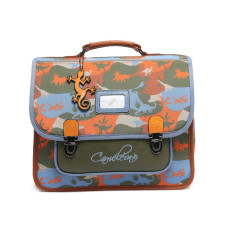
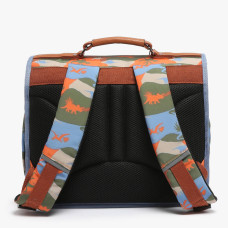
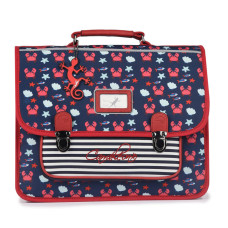
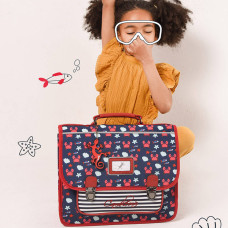
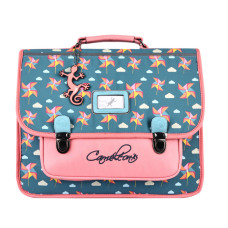
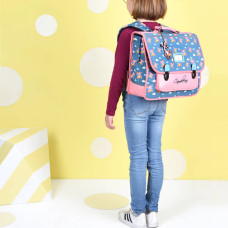
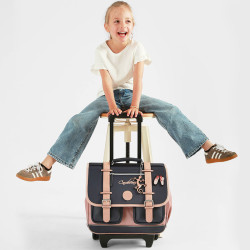
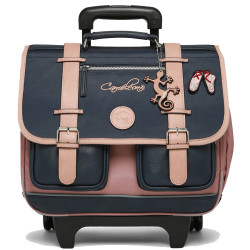
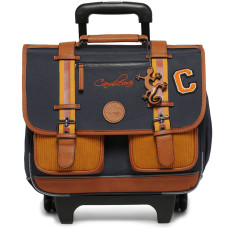
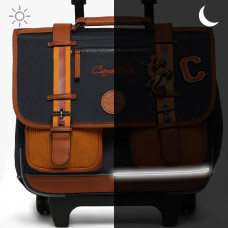
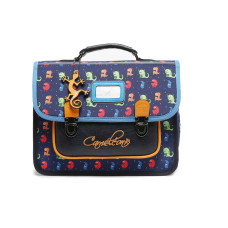
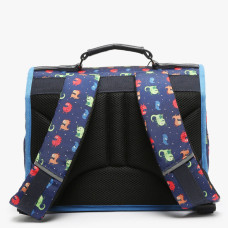
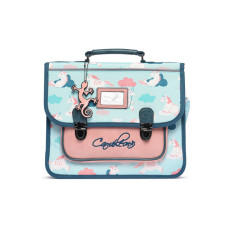
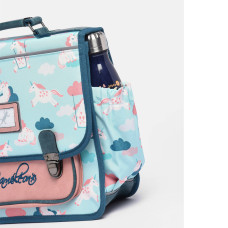
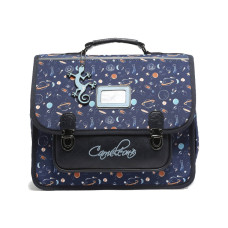
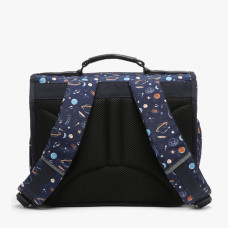
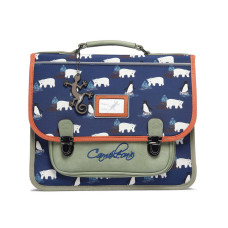
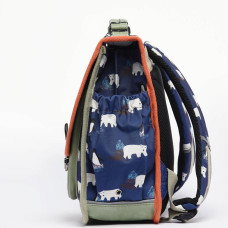
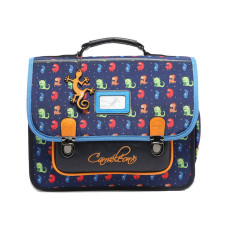
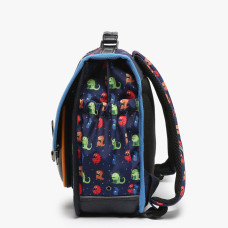
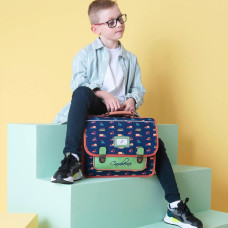
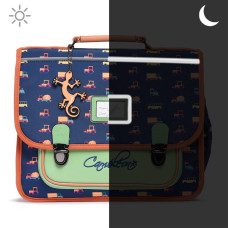
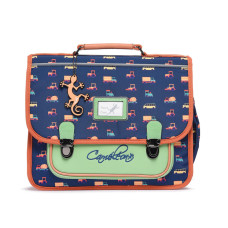
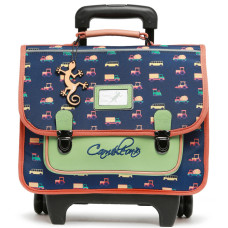
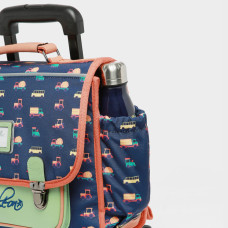
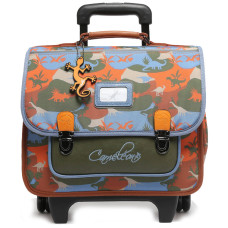
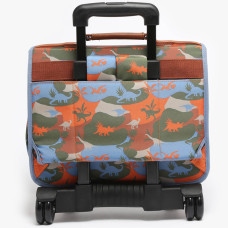
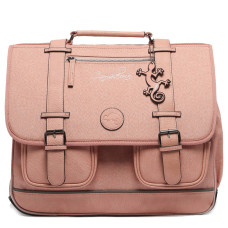
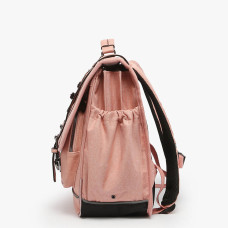
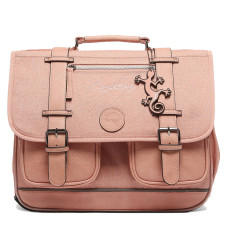
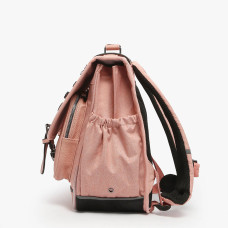
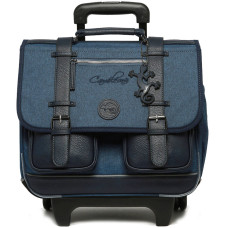
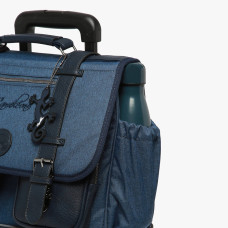
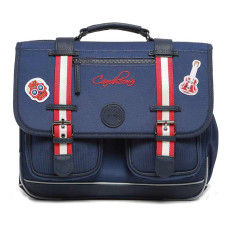
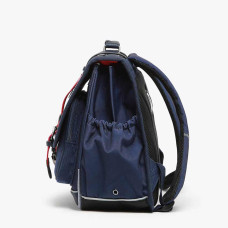
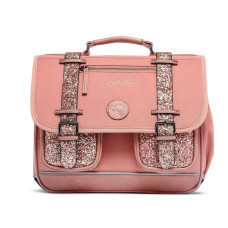
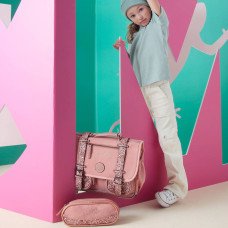
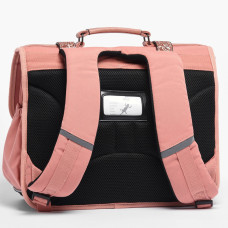
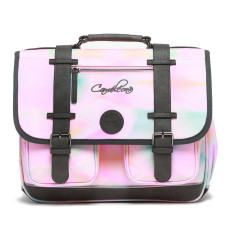
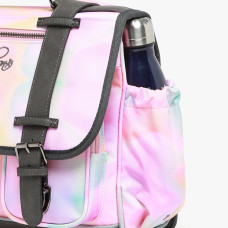
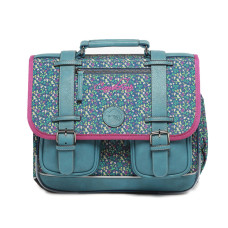
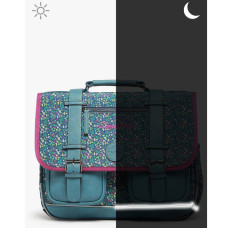
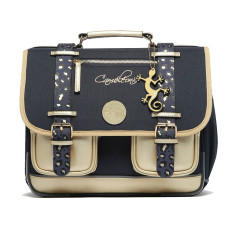
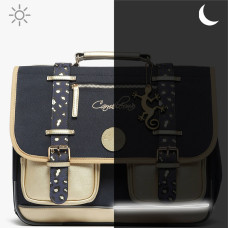
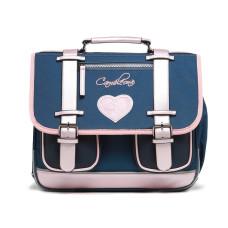
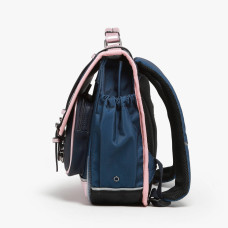
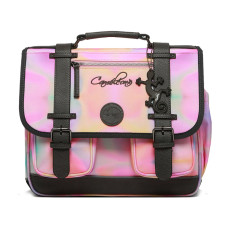
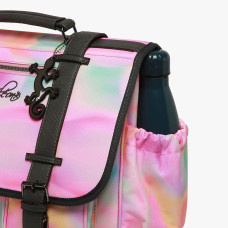
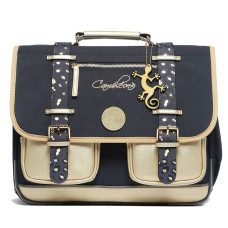
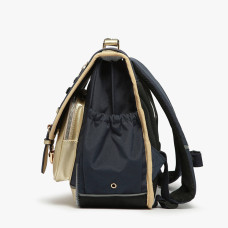
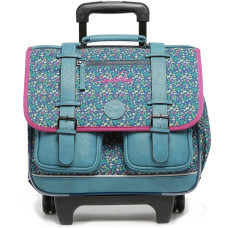
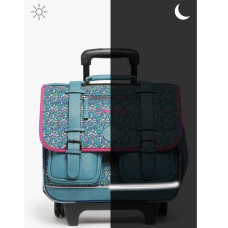
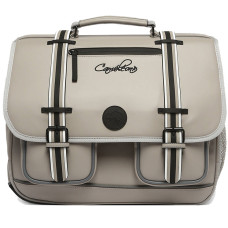
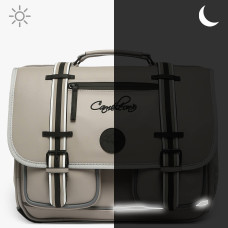
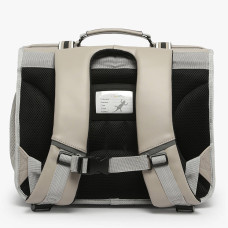
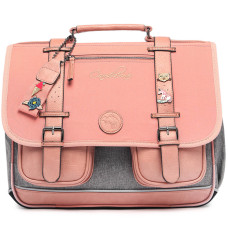
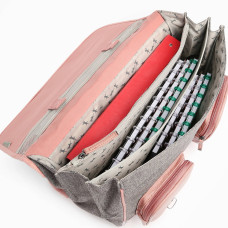
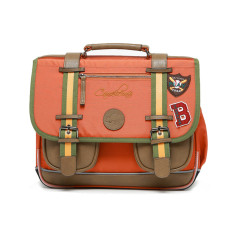
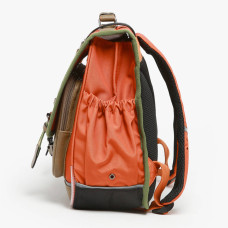
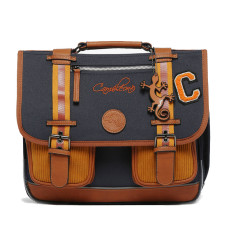
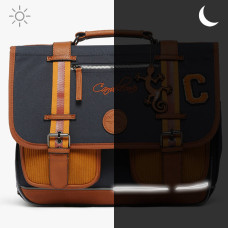
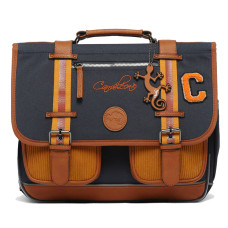
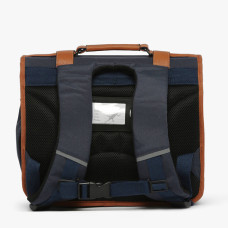
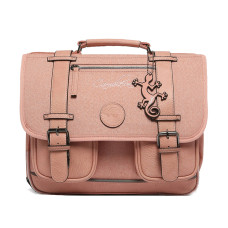
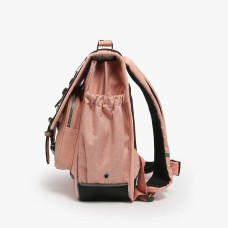
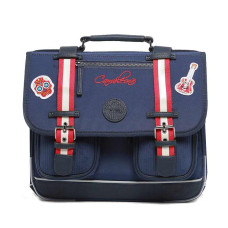
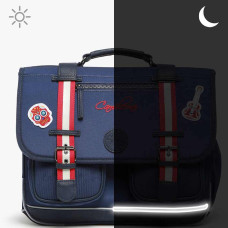
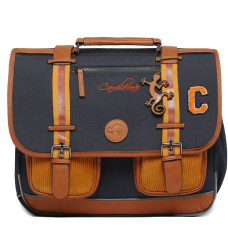
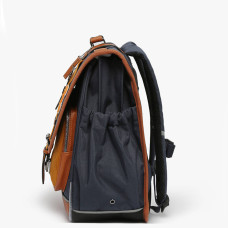
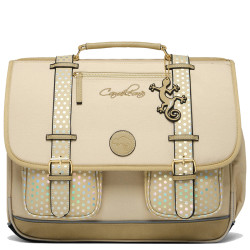
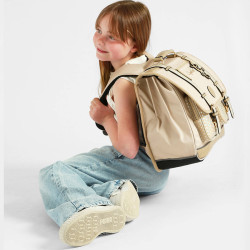
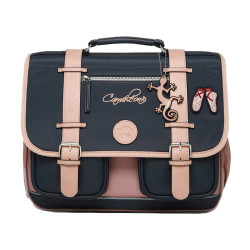
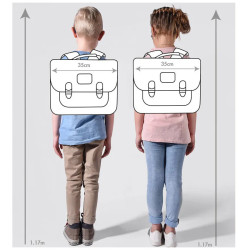
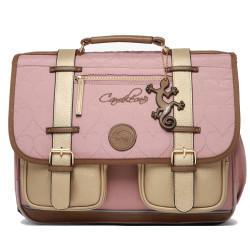
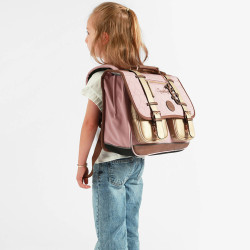
No school without a school bag. With multiple compartments, this size is well suited to primary school. The school bag accompanies your child on a daily basis, from kindergarten to the end of primary school, with a simple logic: to transport school supplies in good conditions of comfort and organization.
School bag: choosing the right bag for your child
A school bag fulfills a specific function: to organize and transport all school materials in a comfortable way, adapted to the child's build. What differentiates this type of bag from a leisure bag is the weight distribution on both shoulders thanks to adjustable straps, with support designed to limit back fatigue.
The criterion that guides the choice here is based on three points: the size adapted to the age and build, the number of compartments to organize school supplies, and the quality of materials to last over time. In practice, a poorly proportioned model or one that is too heavy when empty can hinder daily carrying and wear out supplies faster.
School bags: sizes and models by age and level
The real question is first about capacity and the correspondence between the size of the school bag and that of the child. We generally retain four size references to follow the progression through primary school:
- Size S (35 cm): suitable for children aged 4 to 6, in kindergarten and early primary school. This size remains light and better proportioned to small builds.
- Size M (38 cm): suitable for children aged 6 to 8, from Year 1 to Year 3. The capacity increases without unbalancing the carry.
- Size L (41 cm): suitable for older children, particularly in Year 4 and Year 5. This size more easily accommodates large notebooks and books, often with 3 compartments.
- Wheeled options: available on some models. This choice reduces the load carried on the back, especially if the journey is long or if there are many supplies.
To be favored if you are looking for a consistent solution over time: a size progression that follows the child's growth. In fact, a well-sized school bag can accompany 2 to 3 school years, depending on the evolution of the build and the school's requirements.
School bag organization: optimized compartments and storage
A multi-compartment school bag significantly facilitates daily use. With 2 or 3 compartments depending on the model, the child can more easily distribute notebooks, books, pencil cases and small supplies, which limits disorder and better protects documents.
In practice, for daily use, a clear structure helps to quickly find the contents and promotes autonomy. What differentiates a well-designed model is the readability of the storage: a space for large formats, another for accessories, sometimes a dedicated pocket for small objects.
Quality school bags: brands and collections for primary school
Noix d’Arec selects brands recognized in the world of school leather goods, with different approaches depending on needs and aesthetic preferences. The choice is not only about style: it also depends on the format, structure and finish.
- Cabaïa, with the Discover range: colorful and modern models, in a more flexible reading of the school bag.
- Caméléon, with the Vintage Fantasy lines for girls, Vintage Urban for boys, Rétro and Actual: more classic or more contemporary proposals, depending on the desired look.
- Girls and Boys categories: a style reference to guide the choice of colors and patterns.
- Youth and Adults categories: useful for older children who wish to move towards formats close to middle school or high school.
The criterion that guides the choice here remains actual use: beginning of primary school, end of cycle, need for additional compartments or search for a more sober style. To be favored if you are looking for continuity, a range that allows changing size without completely changing references.
Practical criteria for selecting your school bag
Some concrete references allow refining the choice: adjustable straps, an empty weight less than 1.2 kg, and a capacity between 12 and 20 liters depending on the format. In practice, the younger the child, the more the weight of the empty school bag should remain contained.
As mentioned for the material, robustness is first verified on the seams, bottom reinforcements and the holding of zippers. What differentiates a durable school bag is its ability to withstand repeated openings, heavy notebooks and daily handling without deforming too quickly.
For children who walk a long way or carry heavy books, the wheeled option deserves to be examined closely: it reduces the load carried on the shoulders. The right choice then depends on two elements, the actual distance of the journey and the frequency of stairs.
Evolution also matters over time: moving from a 35 cm format to 38 cm, then to 41 cm, version with or without wheels, more childish or more sober style. In practice, a good school bag is first a model adapted to the school rhythm, the build and the volume of supplies of your child.