


Reporter Bag
A men's reporter bag is designed to carry your work documents and laptop. For a weekend trip, the reporter bag can hold your personal belongings as well as your tablet. Available in different sizes and materials.
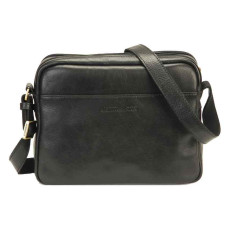
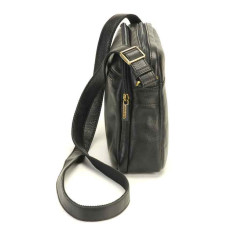
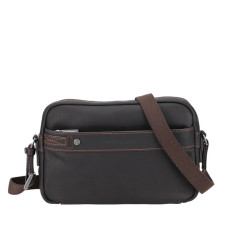
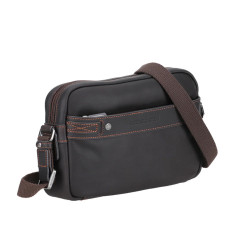
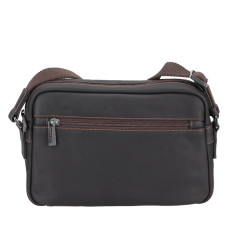
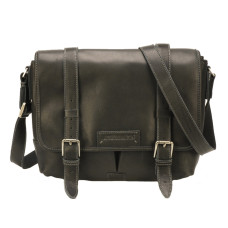
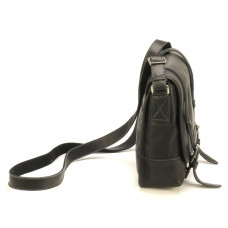
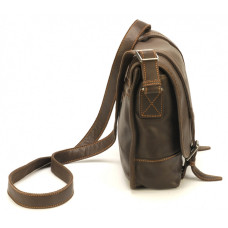
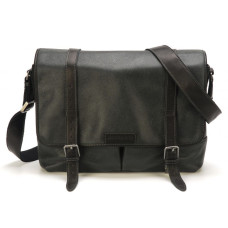
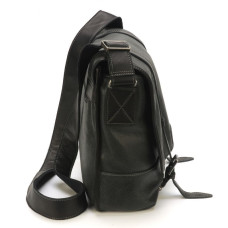
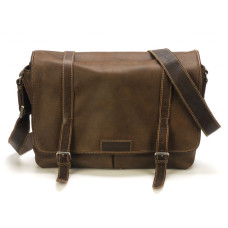
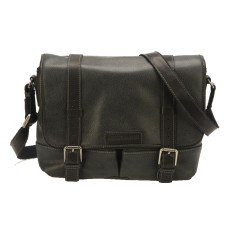
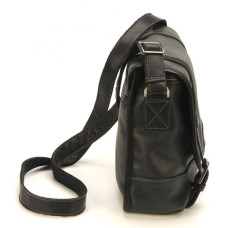
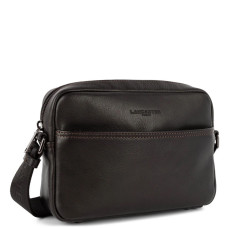
Arthur & Aston Johany Reporter Satchel Black Leather
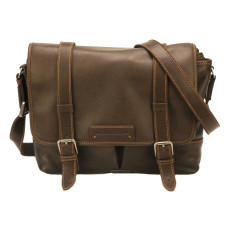
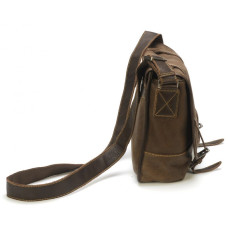
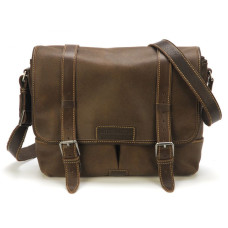
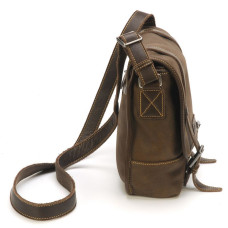
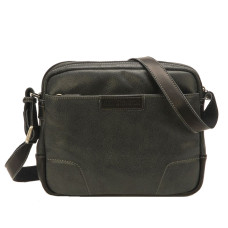
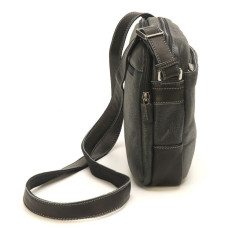
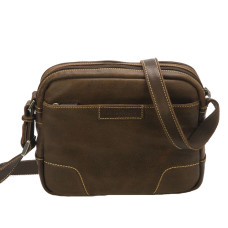
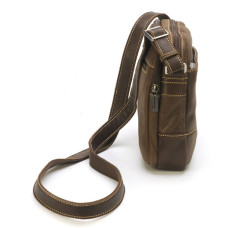
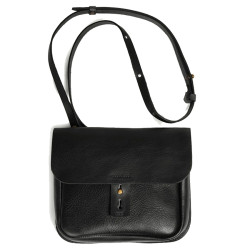
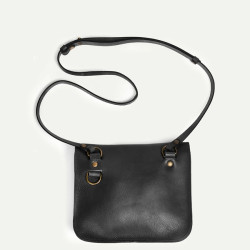
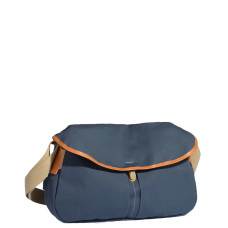
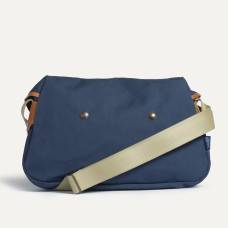
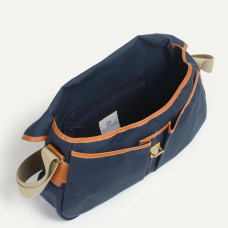
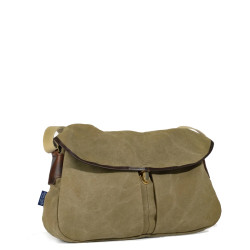
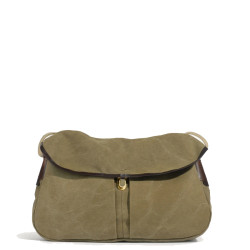
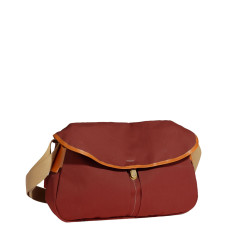
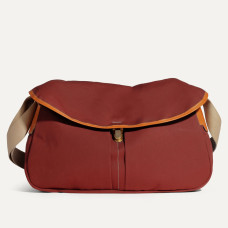
Bleu De Chauffe Leon Canvas Satchel in Cardinal Red Cotton
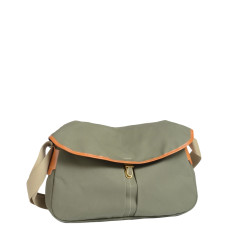
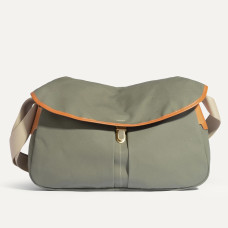
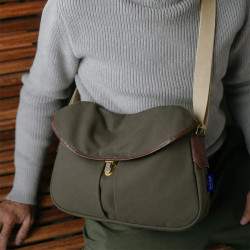
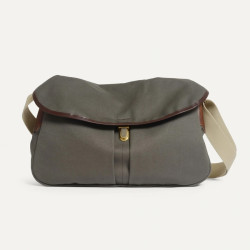
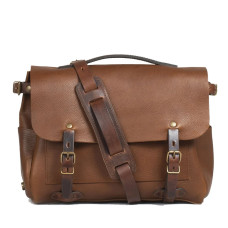
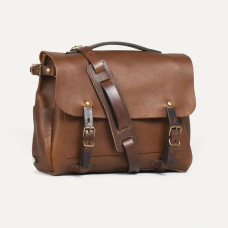
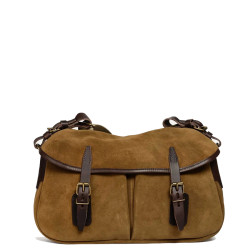
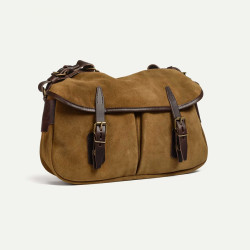
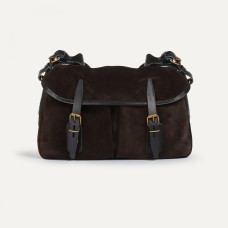
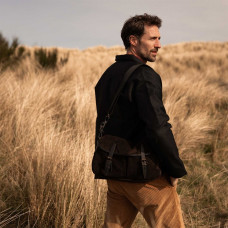
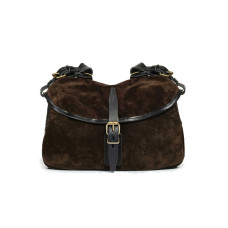
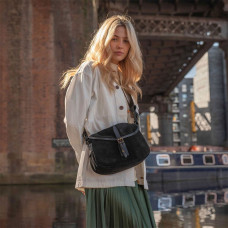
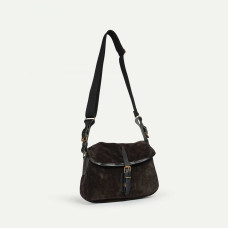
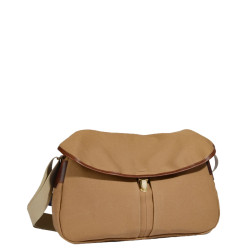
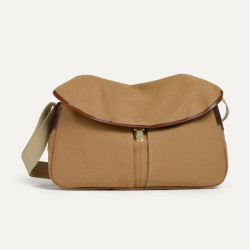
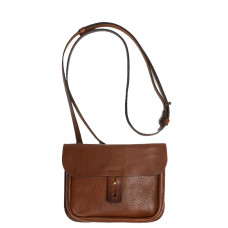
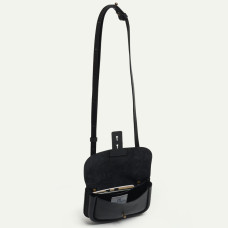
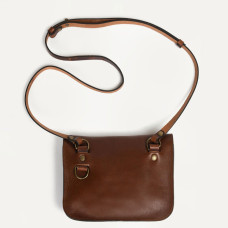
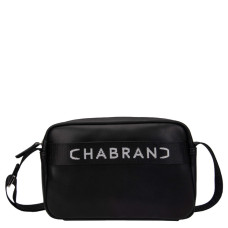
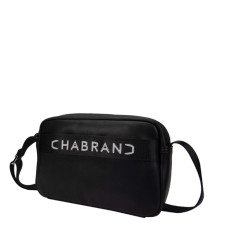
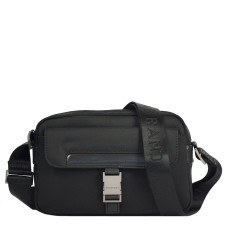
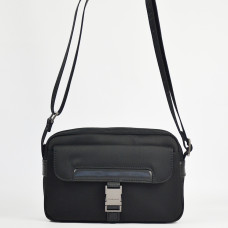
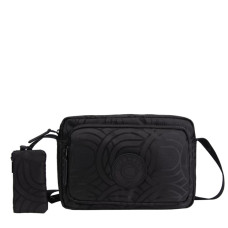
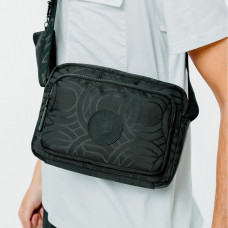
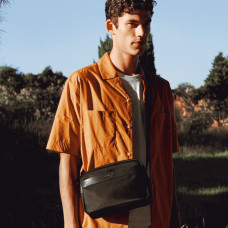
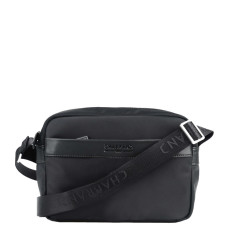
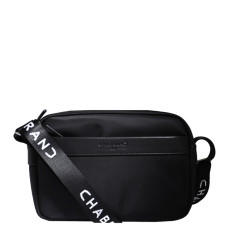
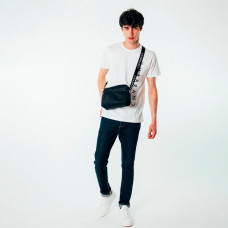
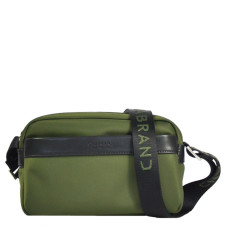
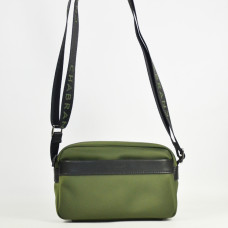
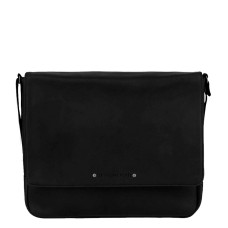
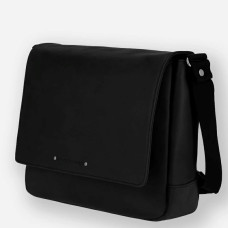
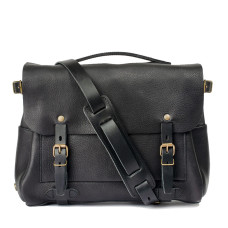
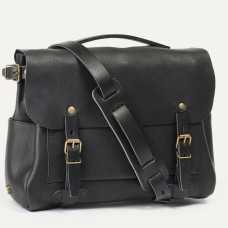
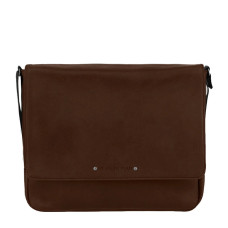
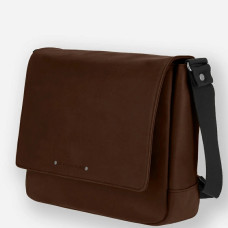
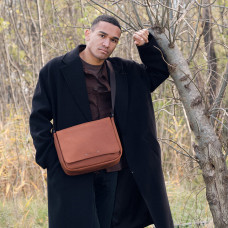
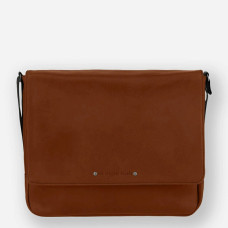
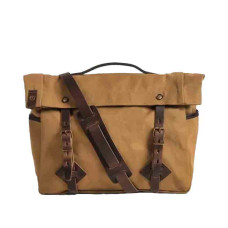
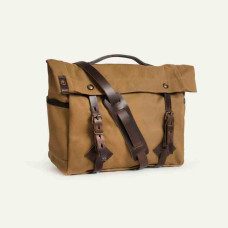
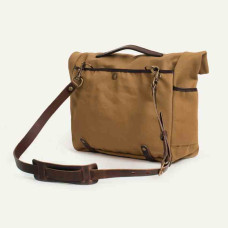
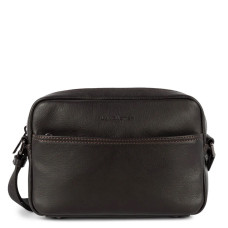
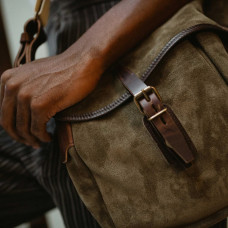
Men's messenger bag: professional and leisure transport
A men's messenger bag is designed to carry work documents, a tablet, or a laptop depending on its size. For travel or a weekend, it can also accommodate personal items in a volume generally ranging between 5 and 15 liters. The criterion that guides the choice here lies in the capacity, the material, and the carrying style you prefer.
Materials and styles of men's shoulder bags
What differentiates this type of bag is first and foremost the choice of material. In leather, you will find classic colors: black, cognac, chestnut, hazelnut, or dark brown, with smooth or velvet finishes. In practice, for daily use, leather provides better durability over time, with a weight often ranging between 900 g and 1.6 kg depending on the size.
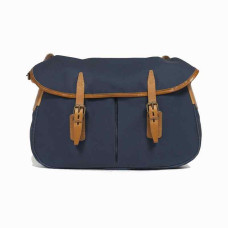
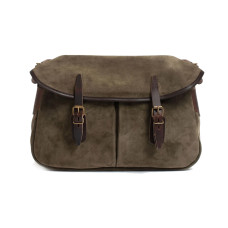
In cotton and natural fibers, models come in a wider variety of shades: lichen blue, navy blue, cardinal red, camel, or khaki. This option favors lightness, with bags often weighing between 500 and 900 g. Leather-cotton combinations remain a useful reference if you are looking for a balance between robustness, flexibility, and ease of carrying.
Bag styles: satchel, briefcase, and game bag for men
In fact, you will find several distinct styles. The satchel offers a soft shoulder carry with quick access to the contents, often in sizes ranging from 30 to 38 cm in width. The briefcase, which is more structured, is better suited for organized storage of A4 documents, accessories, and sometimes a 13 to 15-inch computer.
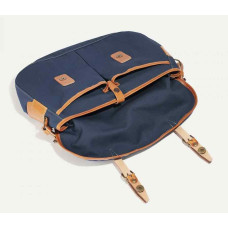
Game bags and tote bags offer a more casual line, with a construction that is often lighter. Mail bags and document carriers cater to a more specific use: transporting files, professional appointments, and urban commutes. What differentiates these families of bags is mainly the shape, the opening, and the internal layout.
Sizes and capacity: from mini messenger to large bag
To be chosen according to your actual transport needs: the mini messenger for essentials, often around 3 to 5 liters, the small messenger for a tablet and personal items, then the medium size for balanced daily use, around 8 to 12 liters. The large messenger is more suitable if you carry files, a computer, and accessories throughout the day.
The mini mail bag remains an interesting alternative if you are looking for a compromise between volume and lightness. The real question lies in the useful capacity: a format that is too compact quickly limits use, while a bag that is too large loses comfort when carried. Same logic as for the cabin size, the right volume is the one that corresponds to your usual contents, not to an occasional need.
Leather men's messenger bag for professional use
Models designed for professional use cater to profiles who regularly carry documents, chargers, and IT equipment. Compatibility with computers up to 15 inches remains a concrete reference: this often corresponds to a useful width of 36 to 40 cm and a depth of 8 to 12 cm. The adjustable shoulder strap and internal organization guide daily comfort here.
In practice, for office-travel use, you need to look at three points: the presence of a padded compartment, the stability of the bottom, and the empty weight. A well-structured leather bag offers better protection, but it will be heavier than a textile model. To be preferred if you are looking for a more formal look and good durability over time.
Signature collections: messenger and briefcase brands
Several brands offer distinct interpretations of the men's messenger bag. Arthur & Aston develops the Johany, Marco, and Néro collections, while Ateliers Fourès signs Baroudeur. Bleu de Chauffe offers Éclair and Léon, and Chabrand notably declines Campus and Castellet.
Each collection is distinguished by its choices of leather, size, and finish. The criterion that guides the choice here is not just the visual style: you also need to look at the dimensions, the number of compartments, and the type of carry. As mentioned for the material, the coherence between actual use and the bag's construction remains the most reliable reference.