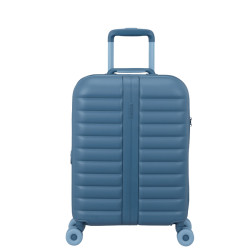
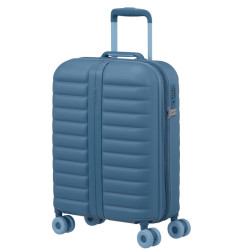
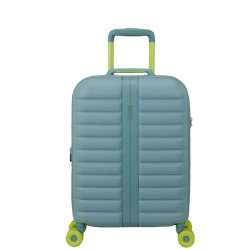
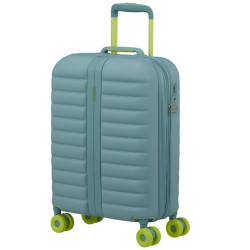
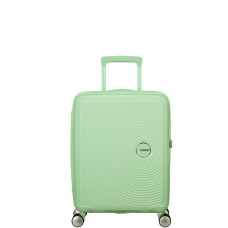
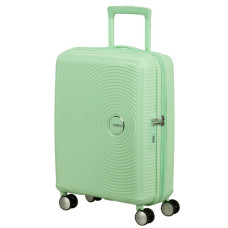
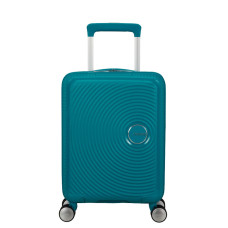
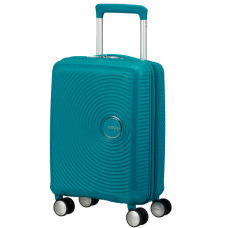
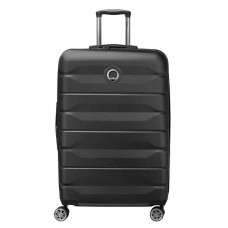
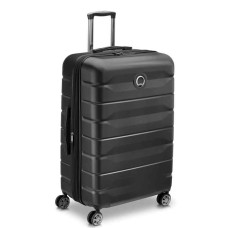
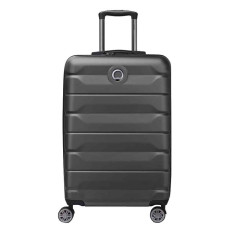
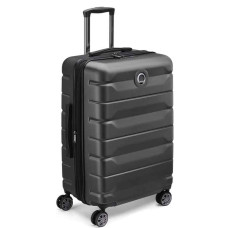
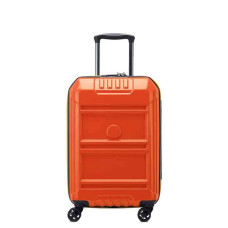
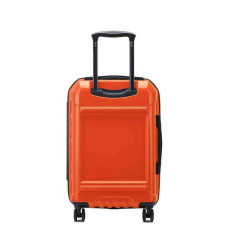
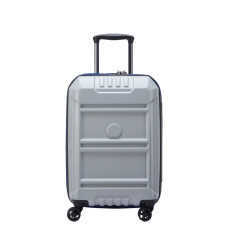
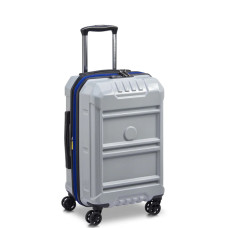
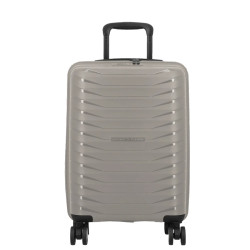
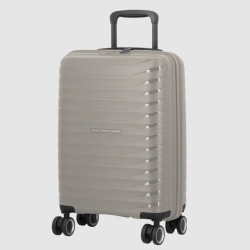
Cabin trolley suitcases: airline compatibility and practicality
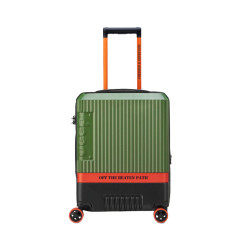
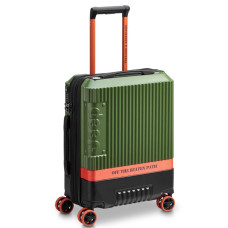
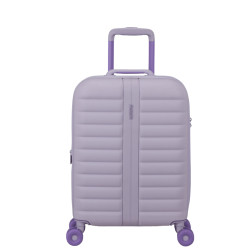
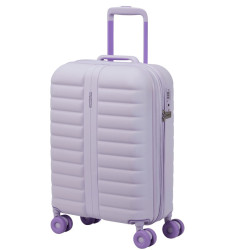
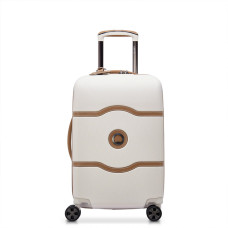
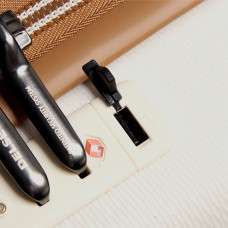
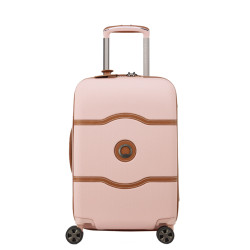
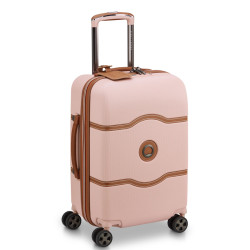
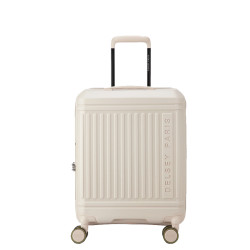
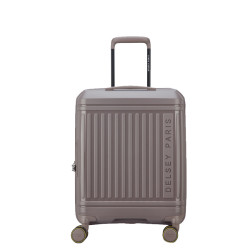
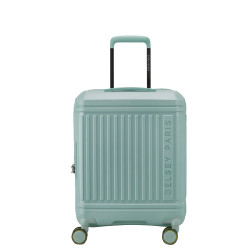
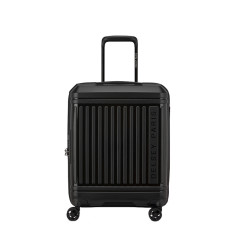
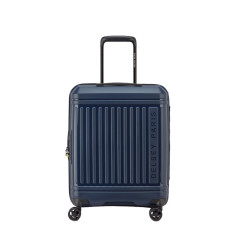
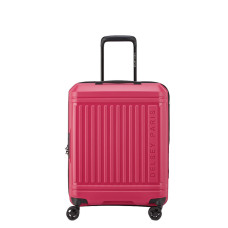
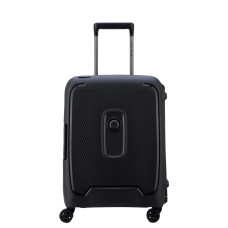
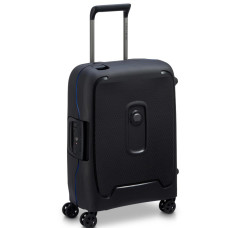
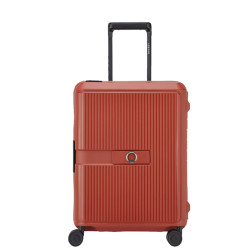
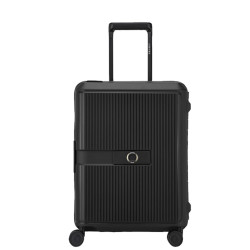
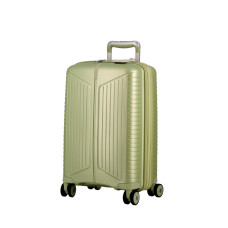
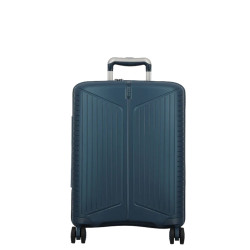
The cabin trolley suitcases are designed to align with the dimensions accepted by many airlines. In practice, a standard 55 cm cabin suitcase often allows you to travel without checking in, keeping your luggage in the cabin. On certain models, such as the Delsey Lutèce or the Neovibe, the presence of a TSA lock facilitates security checks: this point concerns the regulated opening of the luggage, not its dimensions.
What differentiates this type of wheeled bag is its ability to combine quick access, mobility, and sufficient volume for 2 to 4 days depending on the contents carried. In practice, for daily use while traveling or for a short stay, a capacity of 30 to 40 liters remains the most common benchmark. The benefit is concrete: less waiting at the airport, less handling, and, depending on the ticket, avoiding fees related to checked baggage.
Technical features: wheels, handle, and mobility
The criterion that guides the choice here revolves around three points: weight, maneuverability, and durability. A cabin trolley suitcase generally weighs between 2 and 3.5 kg depending on the material and equipment. For the same size, a few hundred grams significantly change the comfort of use during connections.
Wheels and maneuverability
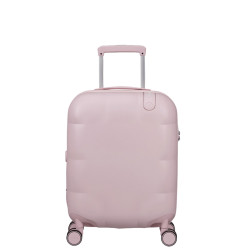
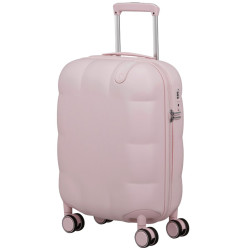
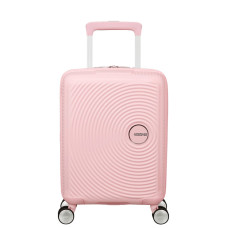
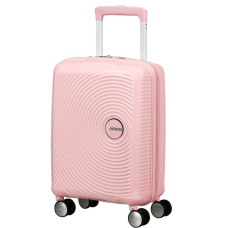
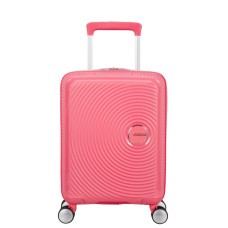
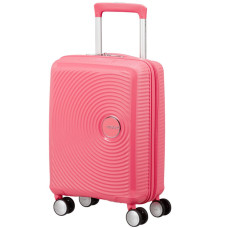
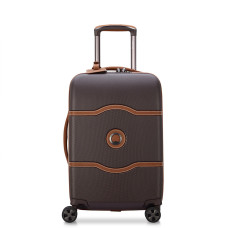
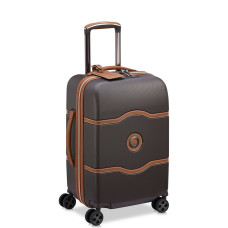
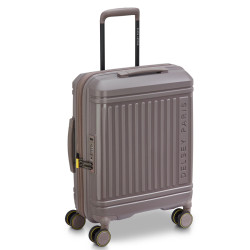
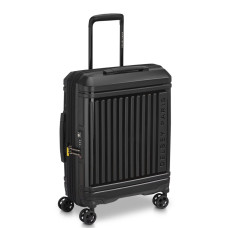
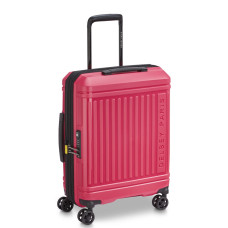
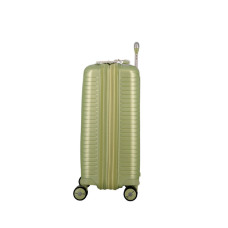
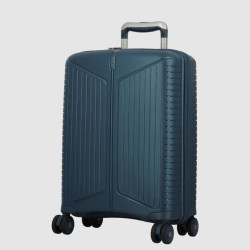
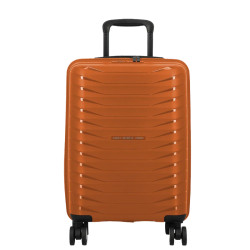
Most cabin trolley models feature 4 wheels, often in a double-wheel version. This configuration improves stability and better distributes the weight: this is useful in airport corridors, on platforms, or in boarding lines. 360° swivel casters provide smoother handling in tight spaces.
Telescopic handle and ergonomics
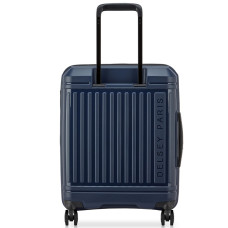
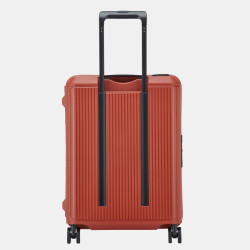
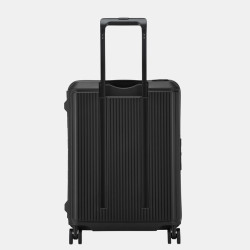
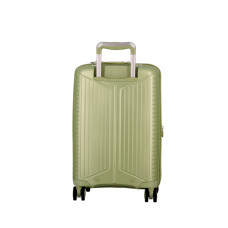
The telescopic handle allows you to adjust the pulling height according to your build and the length of the journey. What differentiates a well-designed model is the rigidity of the tube and the precision of the locking mechanism: less play, less wrist fatigue. In practice, for frequent trips, this point is as important as the quality of the wheels.
The most compact formats, around 47 cm like some Soundbox Mini type models, are suitable for very short trips and the strictest airlines. The classic cabin format, often close to 55 x 35 x 25 cm, remains the most common standard for a stay of a few days. The real question lies in the capacity and material: a small hard-shell case does not offer the same useful volume as a well-organized soft-shell case.
Material and robustness: hard-shell or soft-shell
The choice between a hard-shell cabin suitcase and a soft-shell cabin suitcase depends mostly on your way of traveling. To be preferred if you are looking for better protection of the contents: the hard shell. To be preferred if you are looking for storage flexibility and reduced weight: the soft textile.
Hard-shell cabin suitcases
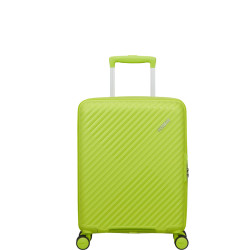
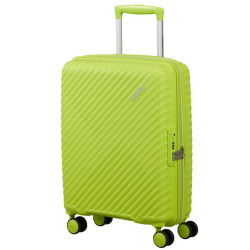
Hard-shell models are often made of ABS, polypropylene, or polycarbonate. What differentiates these materials is the ratio between impact resistance, shell flexibility, and final weight: polycarbonate is generally more durable, ABS is more affordable, and polypropylene is often well-suited for frequent use. In return, the weight is often in the upper part of the cabin range.
Soft-shell cabin suitcases
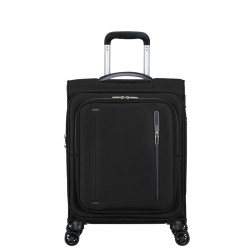
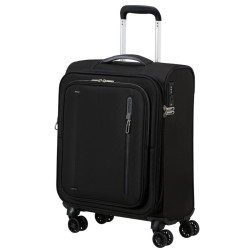
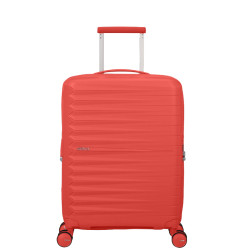
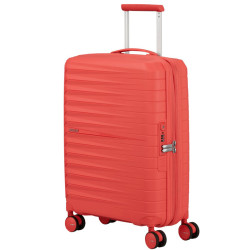
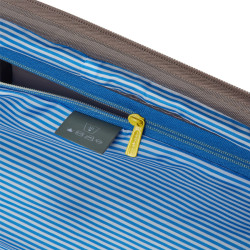
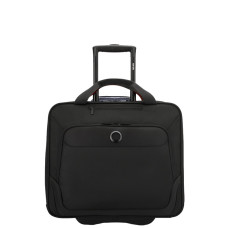
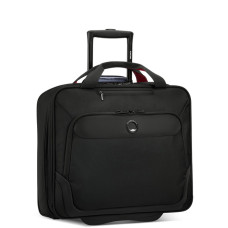
The soft-shell suitcases focus on lightness and flexibility. They often feature external pockets and, on some models, a volume extension: a useful point if you carry documents, technical clothing, or personal items that vary from one trip to another. For regular professional use, this format is often the most practical to organize.
When to choose a cabin trolley suitcase
In practice, a trolley suitcase cabin is mainly suitable in four cases: short stays, business trips, frequent journeys, and trips with time constraints. It responds well to a need for immediate mobility, with sufficient volume without switching to the checked baggage format. Same logic as for the cabin format: you must always check the exact dimensions accepted by the airline, especially on economy tickets.
- Stays of 1 to 4 days, depending on the season and the volume of clothing
- Business trips with a need for quick access to personal items
- Frequent journeys to limit waiting time at check-in and baggage delivery
- Uses seeking a compromise between protection, bulk, and weight
Selection of major brands
The major brand cabin suitcases are distinguished mainly by manufacturing consistency, wheel quality, and the long-term durability of handles and zippers. The criterion that guides the choice here is not just the brand name, but the coherence between dimensions, weight, material, and internal organization. To help you get a quick idea: 47 cm for a very short trip, 55 cm for standard cabin use, 30 to 40 liters for a well-optimized short stay.