

School Backpack
The backpack is popular with all children, regardless of their age. From kindergarten to university, the backpack evolves with the needs and tastes of our dear little ones!
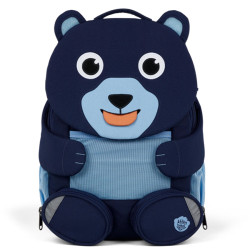
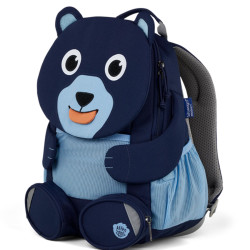
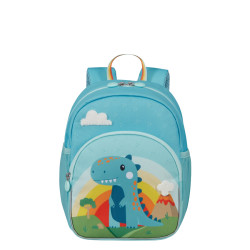
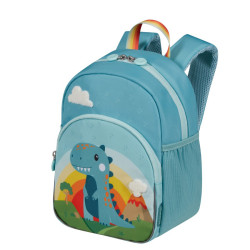
American Tourister Wondertrips Small Backpack for Kids Dino
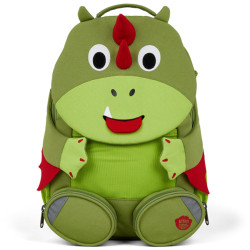
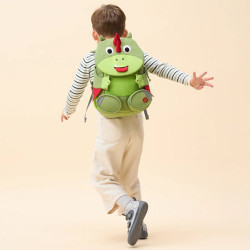
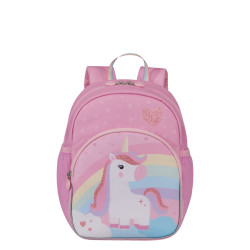
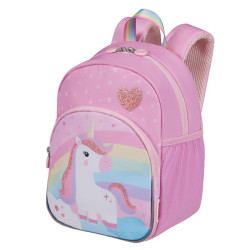
American Tourister Wondertrips Small Backpack for Kids Unicorn
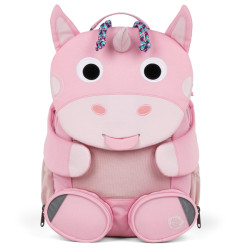
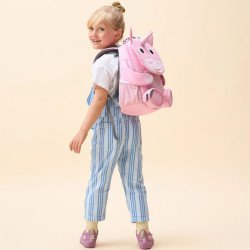
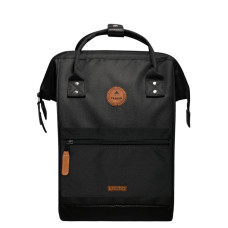
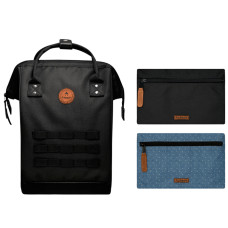
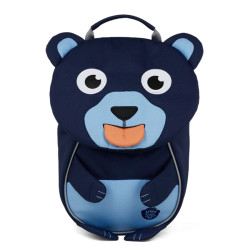
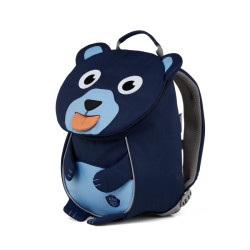
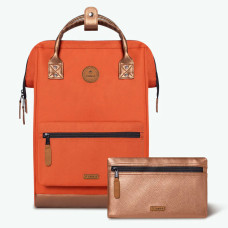
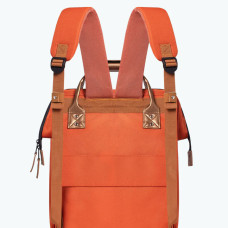
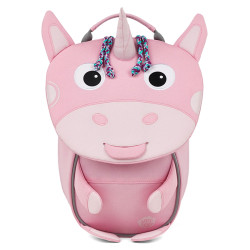
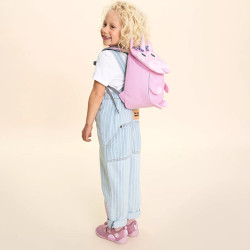
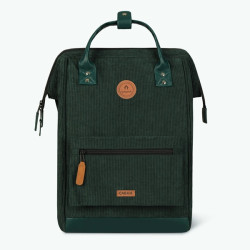
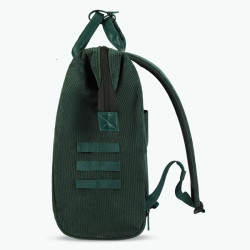
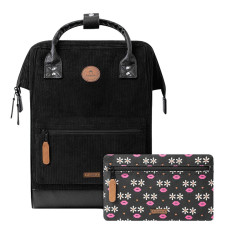
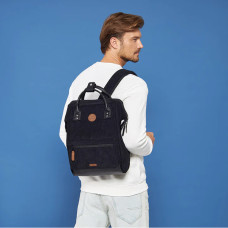
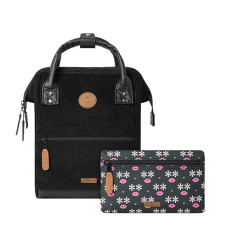
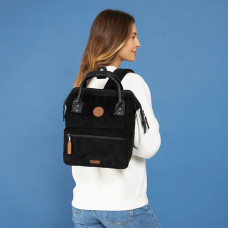


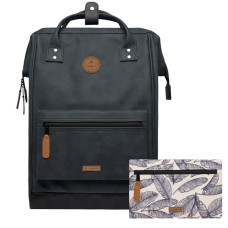
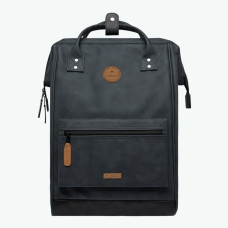
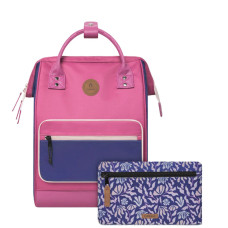
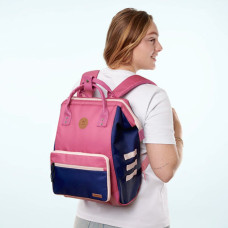
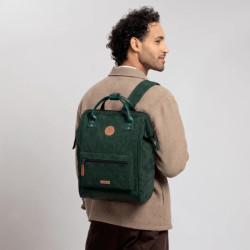
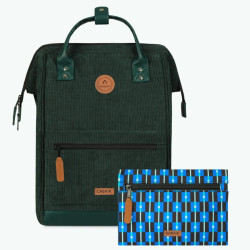
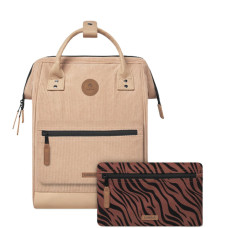
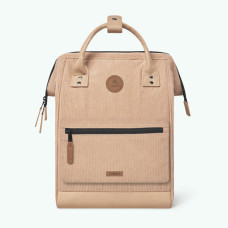
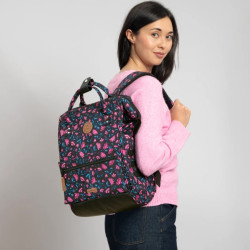
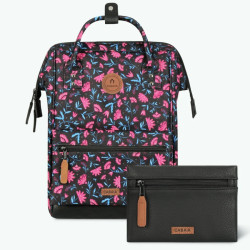
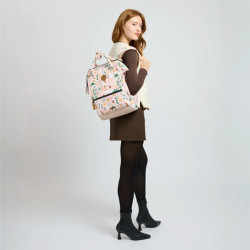
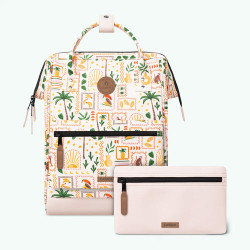
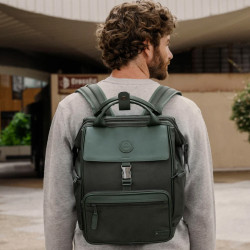
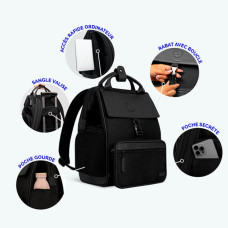


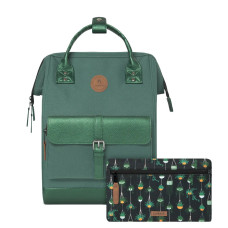
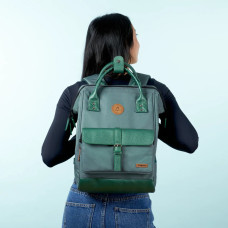
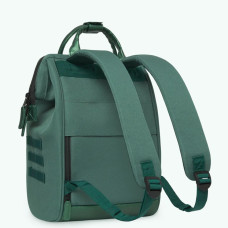

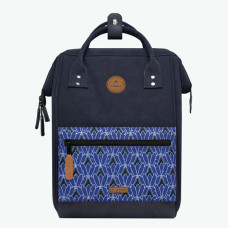
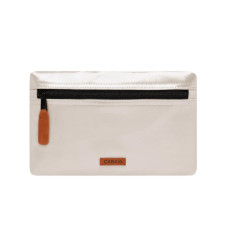
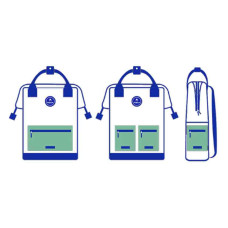
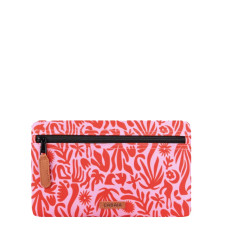

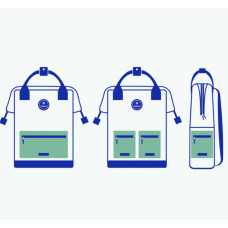
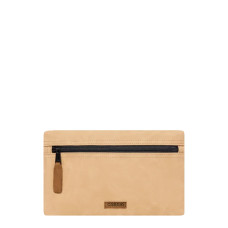
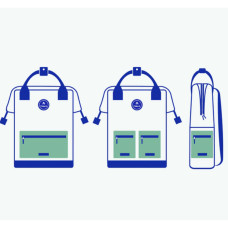


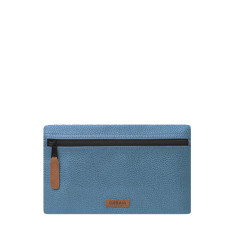
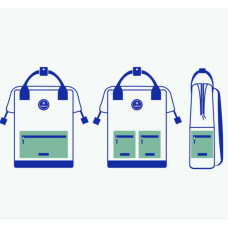



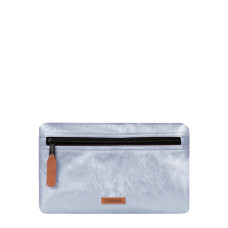
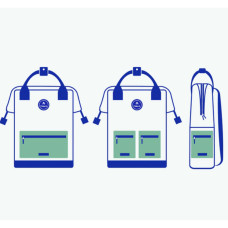



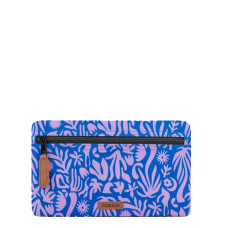

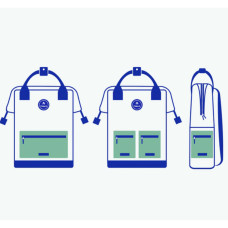
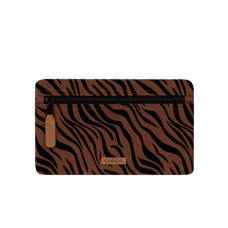
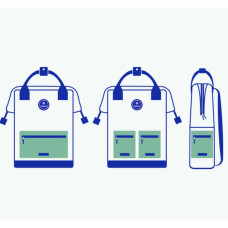

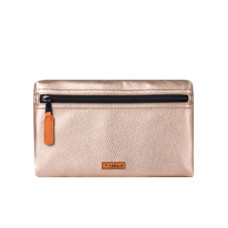
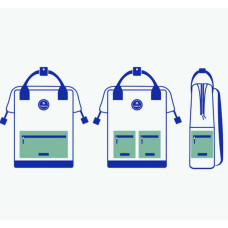


The backpack is widely adopted by children of all ages. From kindergarten to university, the backpack evolves according to needs, body shape, and actual usage. We offer a selection of children's backpacks adapted to each school stage and various styles.
Children's backpack: choosing by age and school stage
The criterion that guides the choice here remains the child's school stage. Needs in terms of capacity, compartmentalization, and comfort vary significantly between kindergarten, primary school, middle school, and high school.
Backpack and school bag for kindergarten
In kindergarten, the children's backpack must remain light and easy to handle. In practice, the child mainly carries a snack, a comforter, spare clothes, or a few personal items: a capacity of about 8 to 10 liters is generally sufficient.
What differentiates this type of bag is first its ease of carrying. To be preferred if you are looking for a compact model with accessible closure, soft straps, and limited empty weight.
Backpack for primary school
In primary school, the child starts carrying notebooks, books, and a pencil case daily. An intermediate-sized backpack, around 15 liters, with 2 compartments, allows for a more readable organization.
In practice, for daily use, comfort becomes central: padded back, adjustable straps, and a sufficiently stable base. The good reference point also lies in the empty weight of the bag, ideally kept under 700 to 900 g depending on the format.
School backpack for middle school
In middle school, the load increases with textbooks, notebooks for each subject, and sometimes sports gear. A large-sized backpack, often close to the 15-inch format, with 3 compartments, facilitates the distribution of contents.
What differentiates this level of use is the need for organization and durability. A capacity of 20 to 25 liters is suitable in most cases, with reinforced stitching and a padded back to better support the load.
Backpack for high school
In high school, the backpack often has to accommodate binders, books, and sometimes a laptop. The real question lies in the capacity and material: a volume of 20 to 30 liters is common, with a laptop compartment if a 13 to 15-inch device is part of the usage.
A robust model, with a padded back and well-adjustable straps, improves comfort over a full day. To be preferred if you are looking for a bag capable of keeping up with a demanding school schedule and longer commutes.
Sizes and capacities: two main formats for each profile
Our children's backpacks come in two main formats, to better match the age and the volume carried:
- Medium format (13 inches): suitable for kindergarten and the beginning of primary school, with a capacity of about 10 to 15 liters. Light and easy to handle for young schoolchildren.
- Large format (15 inches): more suitable for advanced primary school, middle school, and high school, with a higher capacity, often between 20 and 25 liters depending on the model.
What differentiates these two formats is not limited to volume. In practice, for school use, the right choice depends on the child's build, the size of the notebooks carried, and the frequency of carrying.
Compartmentalization and organization of the backpack
The internal organization of a bag is as important as its total capacity. A well-structured bag allows for a more even distribution of weight and helps the child find their belongings without emptying the entire contents.
- 1 compartment: simple structure, suitable for kindergarten and small uses.
- 2 compartments: useful for separating supplies, snacks, and personal items. Common format in primary school.
- 3 compartments: more suitable for middle school and high school, to organize textbooks, notebooks, and accessories by subject or use.
To be preferred if you are looking to limit fatigue related to disorganized storage: good compartmentalization also avoids unnecessarily overloading the bag.
Variety of models and designs adapted to each child
Each child has their preferences in terms of color, shape, and visual universe. The collection includes more than 400 items of backpacks and school bags, available in several styles.
- City-inspired models: Berlin, Bogota, New York, and other urban references.
- Varied color palette: black, terracotta, beige, burgundy, brick, gray, pink, brown, white, and blue.
- Several variations per model: the same format is available in several colors.
The criterion that guides the choice here lies in the balance between aesthetics and daily use. A bag appreciated by the child is often better maintained and kept longer.
Backpacks for girls and boys: inclusive options
The selection offers various styles, to adapt to different preferences without limiting the choice to a single register. Younger children often go for playful colors, while middle and high schoolers look for more sober or more marked lines.
- Colorful and visual options for young children.
- More assertive designs for middle school and high school.
- Choice of formats and colors allowing everyone to find a bag consistent with their use and style.
In practice, this diversity encourages the child's appropriation of the school bag or backpack. This point matters in terms of usage duration, just like comfort or capacity.
Comfort and materials of the children's backpack
Comfort remains a central reference for a school backpack. A padded back, adjustable straps, and a sufficiently flexible material in the right places improve the distribution of the load on the shoulders and back.
The material also influences durability: dense polyester, technical canvas, or water-repellent fabric depending on the model. For equal use, a well-made bag with clean stitching and a reinforced bottom resists daily abrasion better.
Practical mobility: backpacks with wheels
For some children, backpacks with wheels constitute a useful alternative. This type of model reduces the load carried on the back, especially when the commute is long or the contents are particularly heavy.
The criterion that guides the choice here is very concrete: presence of stairs, distance between home and school, quality of the ground surface. If the route involves many steps, the classic format is often easier to manage.
Available quality brands
The selection brings together brands recognized for different uses. You will find Eastpak backpacks, appreciated for their durability, Cabaïa backpacks, oriented towards a refined design, and Rip Curl backpacks , with a more sporty identity.
What differentiates these brands mainly lies in the construction, materials, empty weight, and style. In practice, it is more useful to compare capacity, comfort, and compartmentalization than just the brand name.
Essential criteria for choosing the right children's backpack
To choose a suitable backpack, a few concrete reference points allow for a quick assessment:
- Age and school stage: kindergarten, primary school, middle school, or high school.
- Capacity and compartments: from 8 to 30 liters depending on the contents to be carried.
- Comfort: padded back, adjustable straps, reasonable empty weight.
- Durability: resistant material, reinforced bottom, solid stitching.
- Personal style: colors and design appreciated by the child.
- Practicality: storage pockets, laptop compartment if necessary, wheels depending on the commute.
The real question lies less in age alone than in actual usage: volume of notebooks, frequency of movements, need for organization, and the child's autonomy. The range of 404 items allows for a precise comparison of these criteria at each stage of schooling.