

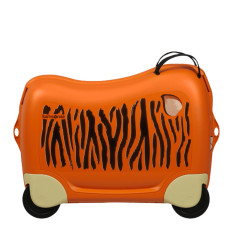
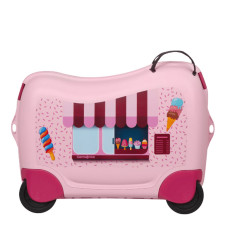
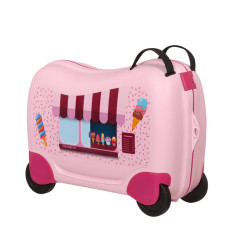
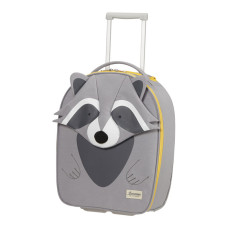
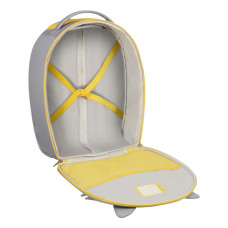
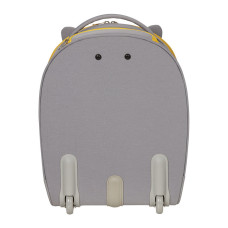
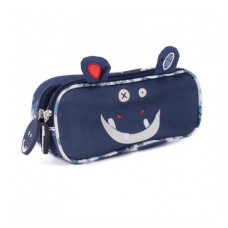
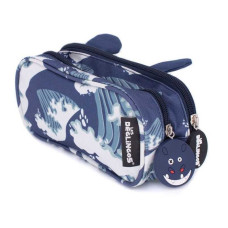
The Deglingos Double Pencil Case Hippo the hippo
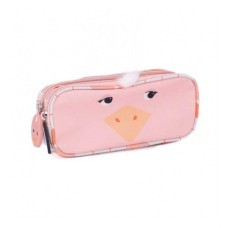
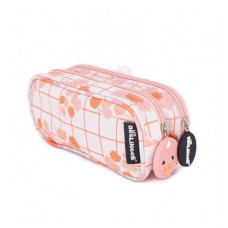
The Deglingos Double Pencil Case Pomelos the Ostrich
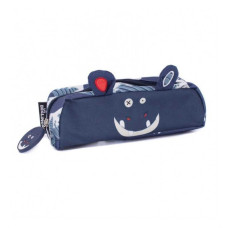
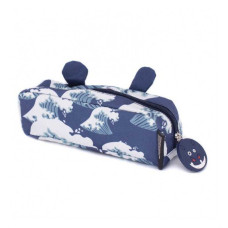
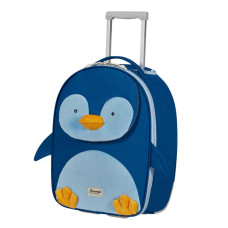
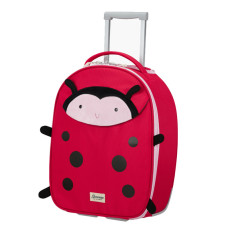
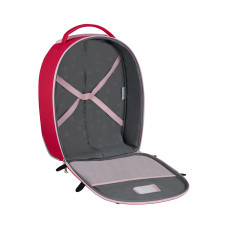


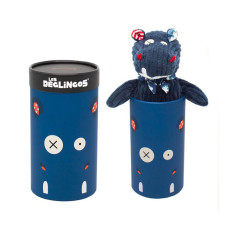
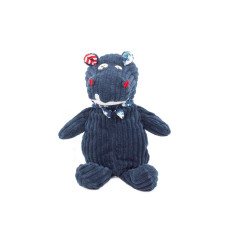
The Deglingos Large Plush Doudou Hippipos the Hippo
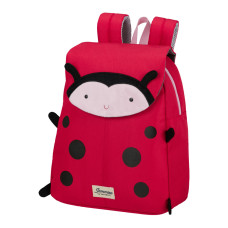
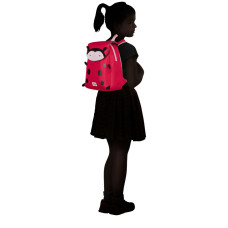
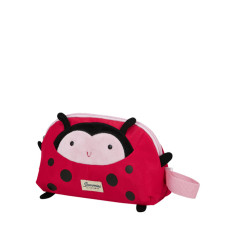
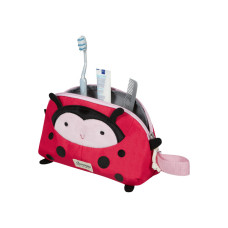
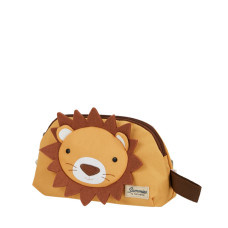
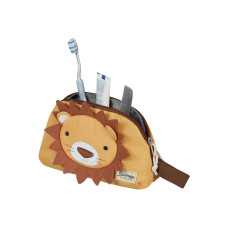
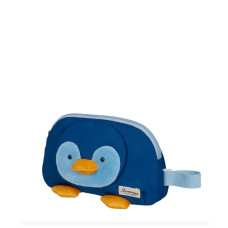
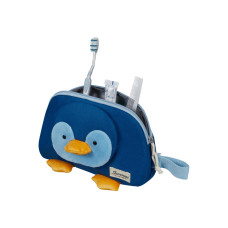
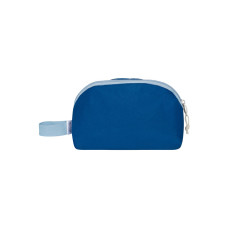
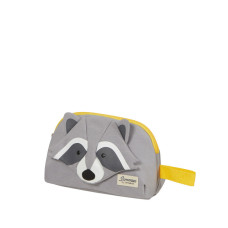
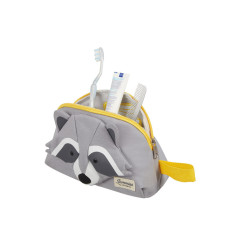
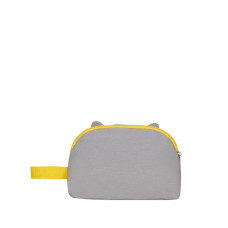
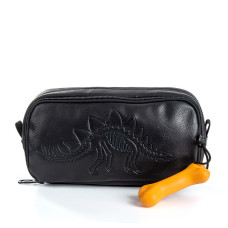
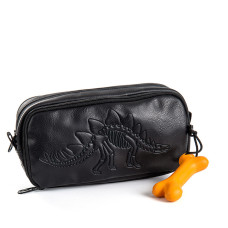
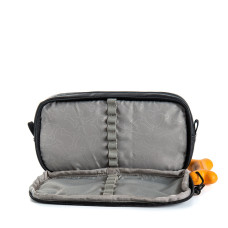
Stones And Bones 3-Compartment Rowan Stegosaur Navy Pencil Case
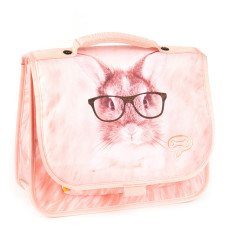
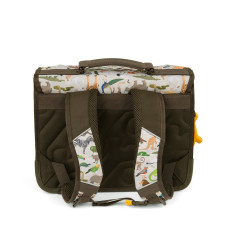
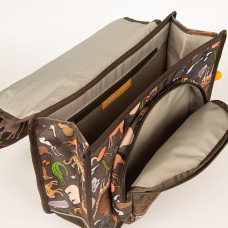
Stones And Bones 35cm Iris PL Bunny Pink School Bag
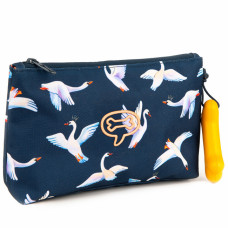
Stones And Bones Large Bay Swans Indigo Pencil Case
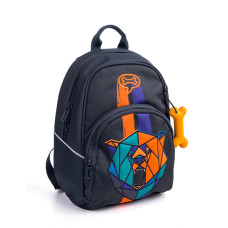
Stones and Bones Laurel Roar Navy Backpack
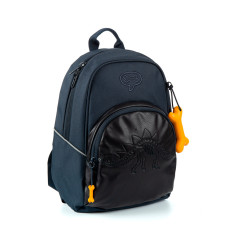
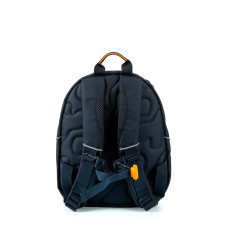
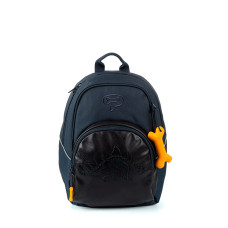
Stones and Bones Laurel Stegosaur Navy Backpack
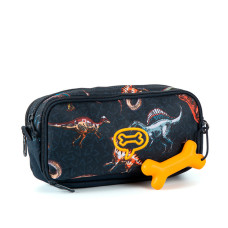
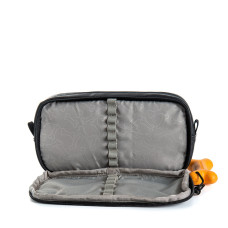
Stones And Bones Pencil Case 3 Compartments Rowan Jurassic Navy
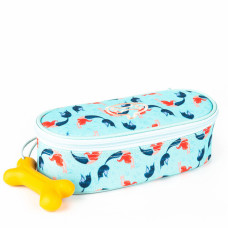
Stones And Bones Pencil Case Oak Mermaids Aqua
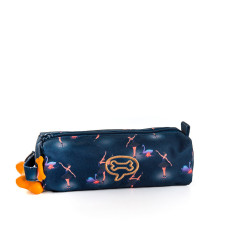
Stones And Bones Simple Pencil Case Oregon Ballerinas Indigo
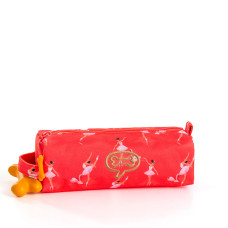
Stones And Bones Simple Pencil Case Oregon Ballerinas Punch
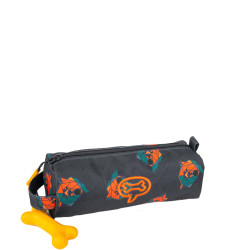
Stones And Bones Simple Pencil Case Oregon Geo Bear Navy
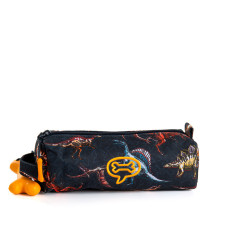
Stones And Bones Simple Pencil Case Oregon Jurassic Navy
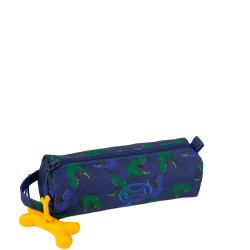
Stones And Bones Simple Pencil Case Oregon T Rexes Electric Blue
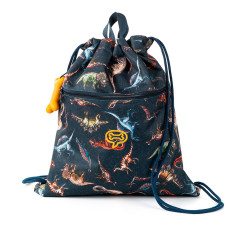
Stones and Bones Waterproof Hazel Bag Jurassic Navy
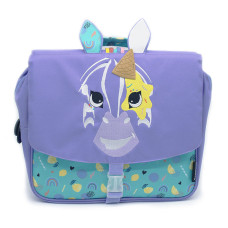
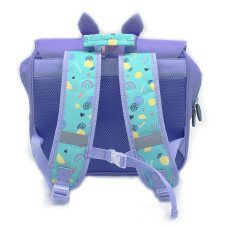
The Deglingos 32cm Kiprokos The Zebra School Bag
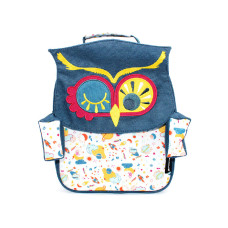
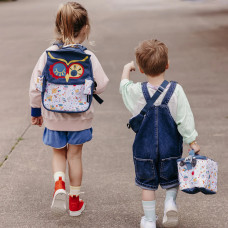
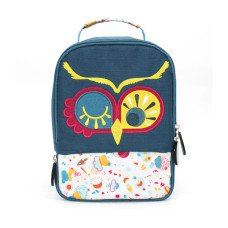
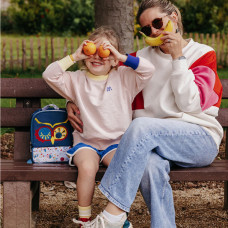
The Deglingos Astros the Owl Insulated Backpack
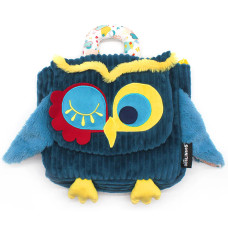
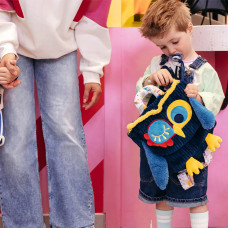
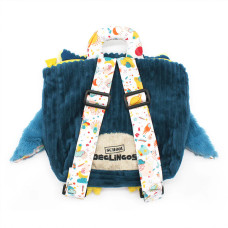
The Deglingos Doudou Bag School Bag Astros the Owl
Discover school bags and school satchels signed by renowned brands such as Eastpak, Ripcurl, Caméléon, Les Déglingos and Pol Fox, Cabaïa suitable for each back-to-school season, with concrete criteria for functionality and durability. The school leather goods section features a selection of 958 items, with formats designed for each stage of schooling.
Choose a school bag or satchel based on age, the volume to be carried, and frequency of use. In practice, a lightweight and ergonomic backpack is suitable for daily use, while a wheeled satchel reduces effort when carrying numerous books and notebooks.
Backpacks and satchels for each school stage
What differentiates a backpack from a traditional satchel is primarily the support, structure, and actual use. In practice, kindergarten and primary school children often use a more stable satchel, while older students prefer backpacks to gain mobility.
Wheeled or non-wheeled satchels for kindergarten and primary school
For kindergarten, the S format, around 35 cm, remains the most common reference: it accommodates basic items without creating a disproportionate volume. The criterion guiding the choice here lies in the empty weight, ease of opening, and the height of the bag relative to the child's back.
A non-wheeled satchel is suitable if you are looking for a simpler carry and often a lighter format. A wheeled satchel reduces the load on the shoulders during daily commutes, but you must also consider the weight of the structure itself and ease of use on stairs.
For primary school, the M format, around 38 cm, offers a capacity better suited to large-format notebooks and more numerous supplies. Models with 2 or 3 compartments facilitate organization by subject: this point quickly becomes useful as days get longer and contents become more diverse.
References such as Caméléon satchels or Pol Fox reversible models are well suited to this age group. What differentiates this type of bag is the balance between structure, padded straps, and padded back, with a volume that remains consistent for daily use.
Backpacks for middle school and high school
From middle school onwards, the backpack generally becomes the reference format. It better accommodates frequent movements, distributes the load across two shoulders, and allows more freedom of movement than a rigid satchel.
For this age group, the real question lies in capacity and material: a volume of 20 to 30 liters covers most common school needs. Some Eastpak models also accommodate a computer up to 15 inches, which matters once a tablet or laptop becomes part of the items carried.
Comfort mainly depends on three elements: adjustable straps, reinforced back, and sufficiently stable bottom. In practice, for daily use, it is useful to check the empty weight of the bag, as a difference of a few hundred grams is quickly felt over a full week.
Style also comes into play, especially in middle and high school. The choice is then made between a sober design, easier to keep for several years, and a more visually striking model, often chosen to reflect personal preferences.
Organization and compartments: adapting space to use
The number of compartments truly changes the use of the bag. A single compartment is often sufficient for kindergarten or very simple contents, while 2 or 3 compartments allow separating notebooks, pencil cases, planners, and accessories from late primary school onwards.
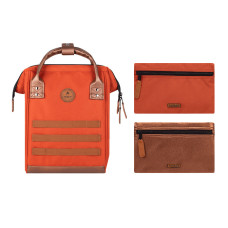
External pockets provide an immediate practical benefit: handkerchiefs, keys, transport cards, or small phones remain accessible without opening the entire bag. To be favored if you are looking for smoother daily organization, particularly for students who open their bags several times a day.
In fact, a 15-inch compatible backpack meets the needs of high school or studies where a digital device accompanies classes. Same logic as for cabin size in travel: you need to reason in terms of useful volume, quick access, and carrying stability rather than dimensions alone.
School accessories: pencil cases and snack bags
Accessories usefully complement the main bag, provided they remain consistent with actual use. A well-compartmentalized pencil case prevents the scattering of small objects and frees up space in the main compartment.
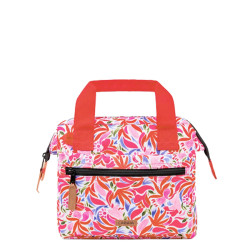
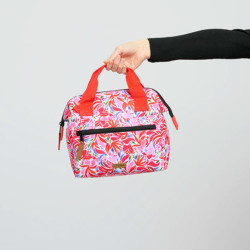
The 7.2 L insulated lunch bag meets a specific need: carrying a snack or meal while maintaining a more stable temperature for several hours. This format easily fits into a medium-sized satchel or backpack, provided you carefully check the remaining space for notebooks and the pencil case.
Reference school brands
Each brand distinguishes itself by a usage positioning rather than a simple style effect. Eastpak is often associated with robust backpacks for middle and high school, Ripcurl with soft formats in a more current style, Caméléon with structured satchels for primary school, Pol Fox with reversible models, and Les Déglingos with more playful references for the youngest.
The criterion guiding the choice here combines four points: empty weight, quality of materials, carrying comfort, and truly useful volume. In practice, young children benefit from using a light and structured satchel, while teenagers tend to turn more willingly to a soft backpack, with a more generous capacity and better suited to repeated movements.