



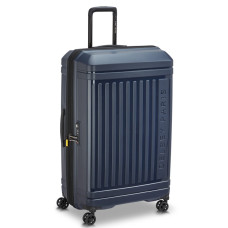
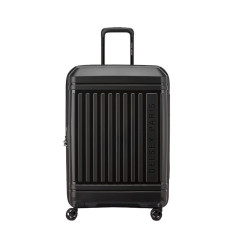
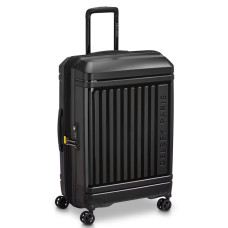
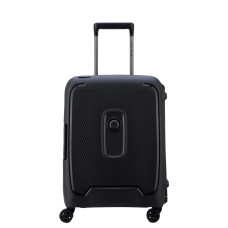
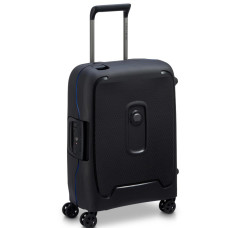
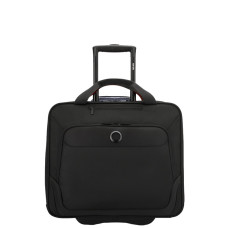
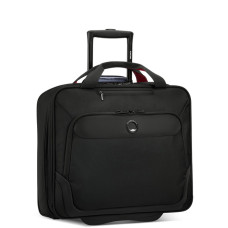
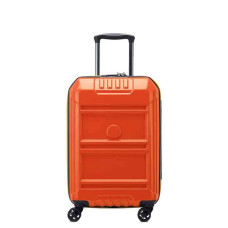
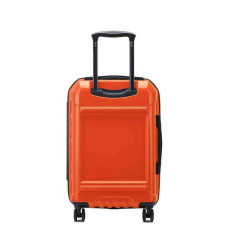
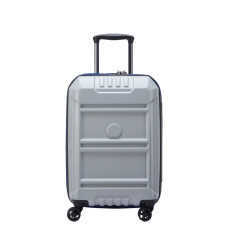
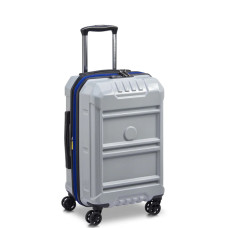
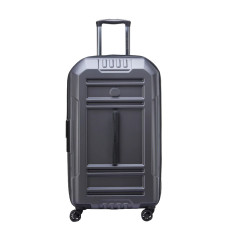
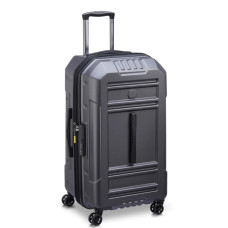
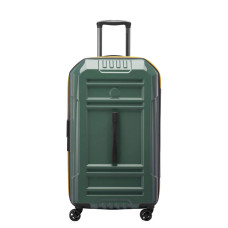
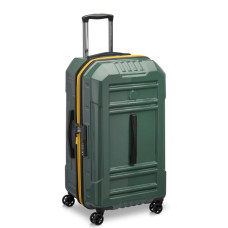
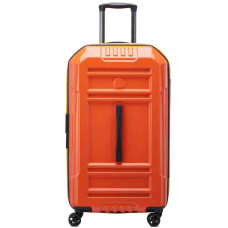
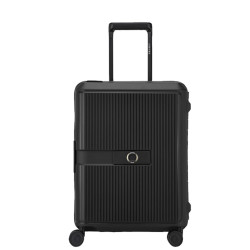
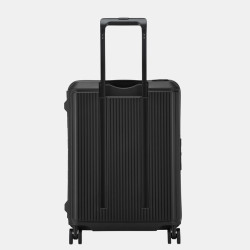
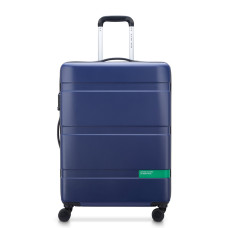
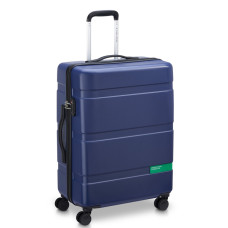
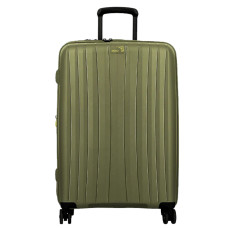
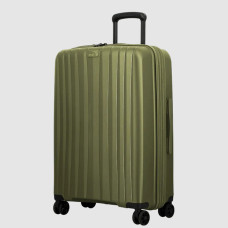
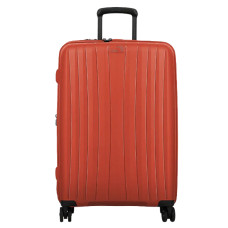
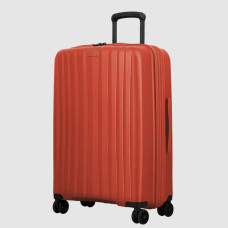
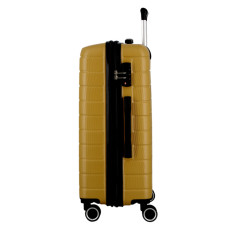
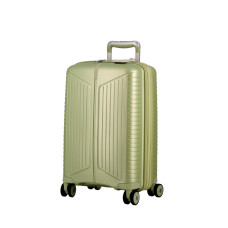
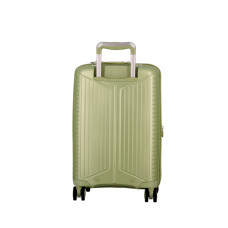
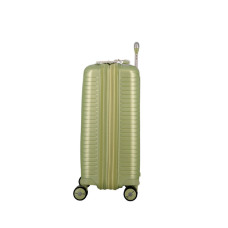
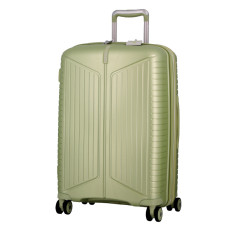
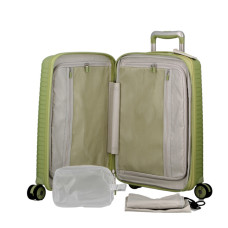
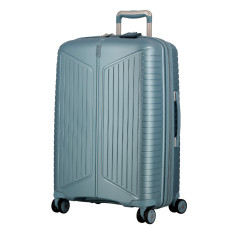
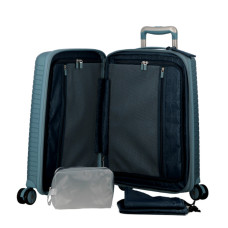
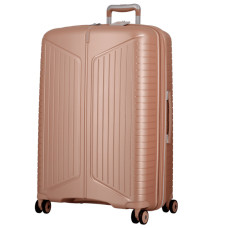
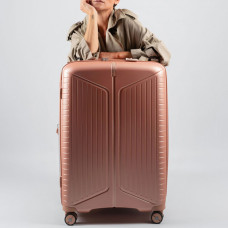
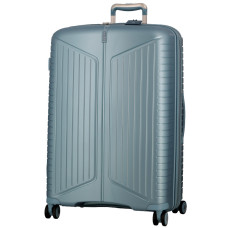
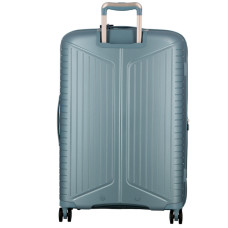
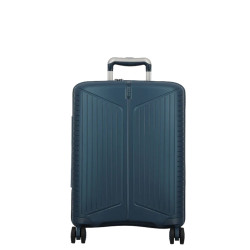
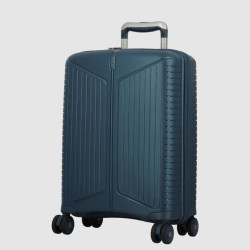
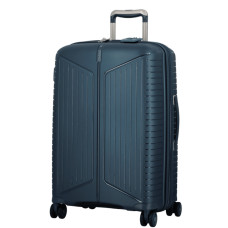
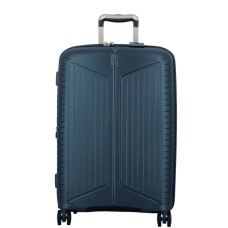
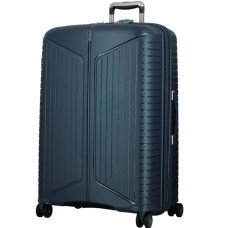
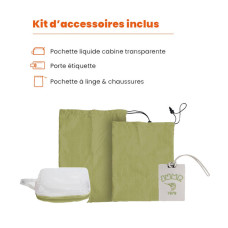
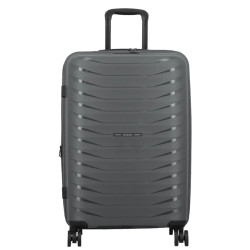
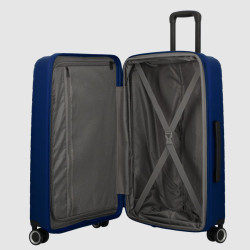
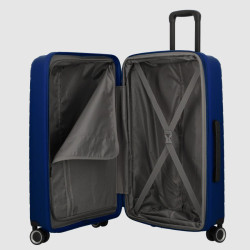
Hard-shell suitcases: protection and durability for all your trips
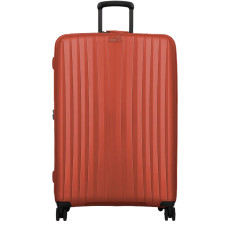
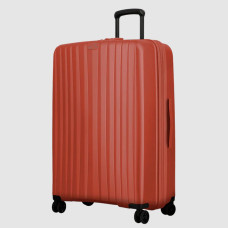
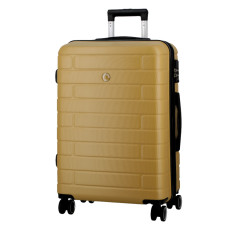
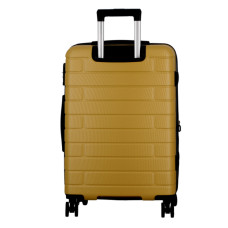
Hard-shell suitcases effectively protect your personal belongings while traveling. Made from impact-resistant materials, they limit deformation and pressure experienced in the cargo hold. The brand Samsonite notably uses Curv technology on certain lines: this process aims to reduce weight while maintaining good shell integrity.
What differentiates this type of travel bag, or more precisely this type of luggage, lies in its structure: the shell better protects sensitive items than a soft format, especially during handling at the airport. In practice, for regular use, the criterion guiding the choice here remains the balance between durability, empty weight, and useful volume.
Hard-shell carry-on vs. checked suitcase: how to choose based on your needs
The choice between a hard-shell carry-on and a checked suitcase depends mainly on the length of the stay and the actual volume to be carried. In fact, a carry-on suitcase is suitable for short trips, while a checked format becomes more appropriate as soon as clothes, shoes, or accessories take up space.
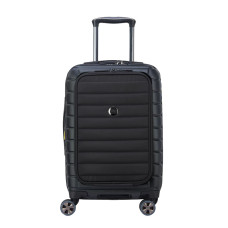
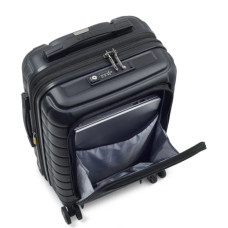
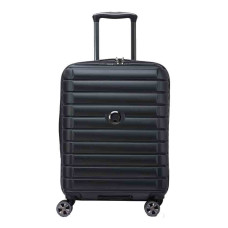
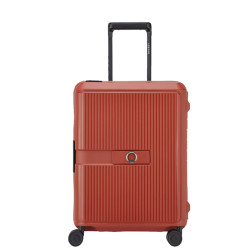
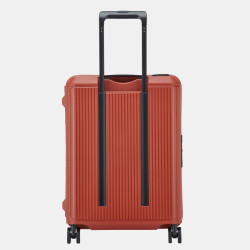
- Hard-shell carry-on: the most common format around 55 x 35 x 25 cm, with an average capacity of 35 to 45 liters. To be preferred if you are looking for luggage for 1 to 3 nights, subject to the specific rules of each airline.
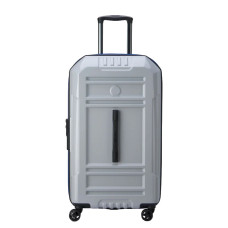
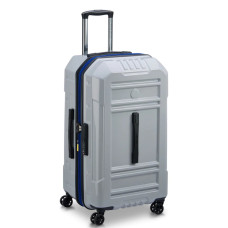
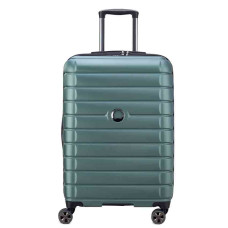
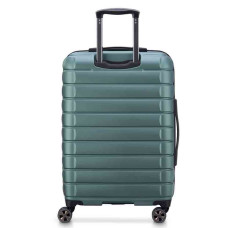
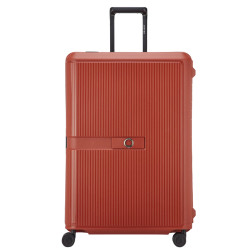
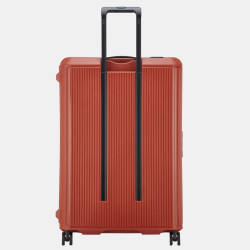
- Hard-shell checked suitcase: common sizes of 67, 68, 77, or 78 cm, with a capacity often ranging between 60 and 115 liters depending on the format. This type of suitcase is better suited for stays of a week or more, or for bulky luggage.
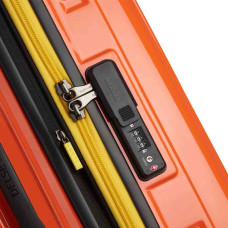
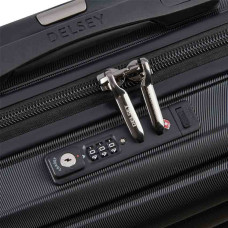
- TSA lock: several models, such as American Tourister Dreami, Neovibe, or Liftoff, feature a TSA-compatible lock. This is a useful point for trips to the United States.
Materials and technology of hard-shell suitcases: durability and lightness
Hard-shell suitcases are mainly made of polycarbonate, ABS, and polypropylene. The real issue lies in capacity and material: depending on the frequency of travel, the need for lightness will vary.
- Polycarbonate: a light and flexible material upon impact, often chosen for frequent use. It generally absorbs shocks better than more brittle shells.
- ABS: a rigid shell at a more affordable cost, often slightly heavier than polycarbonate. To be preferred if you are looking for a first set of equipment with a limited budget.
- Polypropylene: a robust material, appreciated for its durability and often intermediate positioning. It is well suited for regular use.
In practice, the hard shell provides better structural protection than a soft bag during compression or shocks. The concrete benefit is most noticeable in the cargo hold, particularly for fragile items or contents that need to remain well secured.
Mobility and equipment: 4 wheels, 2 wheels, and expandable systems
Mobility significantly changes daily use. What differentiates 2-wheel and 4-wheel configurations is how the suitcase moves: being pulled behind you in one case, multidirectional rolling in the other.
- 4-wheel system: the most practical solution at stations and airports, especially on smooth surfaces. It allows you to push or accompany the suitcase without carrying its weight.
- 2 wheels: a format often more stable on uneven sidewalks or outdoor surfaces. It may be suitable if your journeys include more non-smooth surfaces.
- Quality casters: they directly influence usage comfort and longevity. The criterion to look at here remains smoothness, noise, and durability over time.
- Expandable feature: it generally adds 3 to 10 liters depending on the model. Useful if you return with more personal belongings than you left with.
These features significantly facilitate luggage transport. For daily or frequent use, 4 wheels remain the most versatile reference, just as with the carry-on format.
TSA certification and security: traveling to the United States with suitable luggage
The TSA lock allows security services to open the suitcase with appropriate tools without forcing the closure. For trips to the United States, this is a useful reference, more than just an equipment argument.
- American Tourister Dreami: hard-shell carry-on with TSA lock, designed for short trips.
- American Tourister Neovibe: hard-shell checked suitcase with larger capacity, suitable for long stays.
- American Tourister Liftoff: intermediate format, focused on mobility and closure security.
The TSA lock does not replace the overall sturdiness of the suitcase, but it prevents forced opening during certain checks. If you travel internationally often, this point is worth considering just as much as weight or dimensions.
Hard-shell suitcase brands: Samsonite, Delsey, and American Tourister
Three brands often appear in the hard-shell suitcase offer: Samsonite, Delsey, and American Tourister. The criterion guiding the choice here depends less on the name than on the construction, empty weight, wheels, and finish level.
Samsonite: innovation and Curv technology
Samsonite offers hard-shell lines recognized for their work on lightness and durability. Some Curv collections aim for contained weight, often interesting if you travel frequently and monitor limits imposed by airlines.
Delsey: balance between quality and accessibility
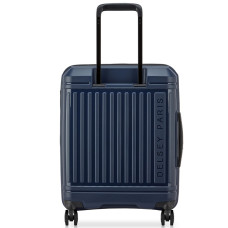
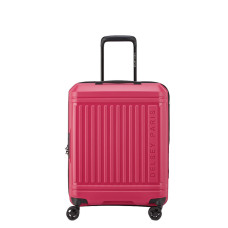
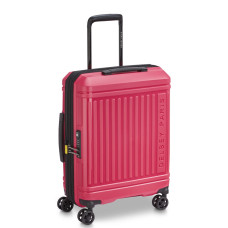
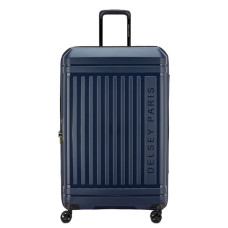
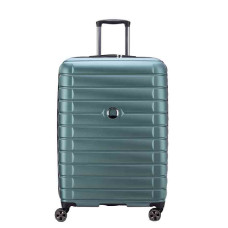
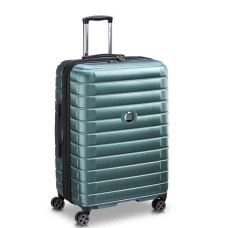
Delsey offers carry-on and checked formats at several price levels. The French brand stands out with a balanced offer, with models suitable for occasional use as well as more sustained use.
American Tourister: variety and specialization
American Tourister covers a wide range, with series such as Dreami, Diablast, Airconic, Fastforward, or Neovibe. To be preferred if you are looking for numerous options in size, weight, and equipment, particularly in the carry-on and intermediate segments.
Dimensions guide: what size of hard-shell suitcase for your use
The choice of size depends directly on the length of the trip, but also on how you pack your luggage. In fact, a carry-on suitcase does not replace a checked one if you are carrying several pairs of shoes, coats, or specific equipment.
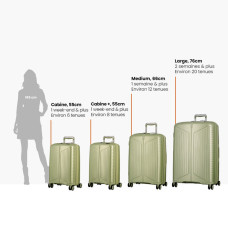
- 55 cm hard-shell carry-on: approximately 35 to 45 liters, for 2 to 3 kg empty depending on the material. It is generally suitable for a weekend or 1 to 3 nights.
- 67 to 68 cm medium hard-shell suitcase: approximately 60 to 75 liters, for an empty weight often between 3.2 and 4.2 kg. This is a relevant format for a week to ten days.
- 77 to 78 cm large hard-shell suitcase: approximately 90 to 115 liters, with an empty weight often exceeding 4.5 kg. It is more aimed at long stays or trips with several bulky items.
In practice, the real issue lies in the length of the trip and the volume of clothes to carry. A medium size is often the simplest format to balance between capacity, weight, and maneuverability.
Choosing a hard-shell suitcase: key criteria to consider
Several references allow you to identify the right model based on your actual use. What differentiates a relevant choice from a poorly calibrated purchase often lies in two points: the frequency of travel and transport constraints.
- Trip duration: carry-on for a short stay, medium or large checked for a week or more.
- Dimensions and capacity: check the useful liters, not just the height in centimeters.
- Empty weight: a light bag leaves more margin in airline allowances.
- Material: polycarbonate for lightness, ABS for a more limited budget, polypropylene for good overall robustness.
- Wheels and maneuverability: 4 wheels for smooth movement, 2 wheels for more uneven surfaces.
- TSA lock: useful for the United States and consistent for international use.
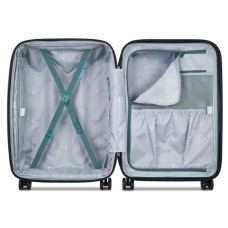
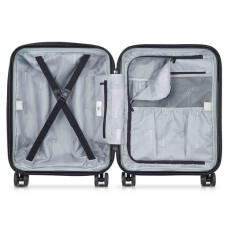
- Finish level: handles, zipper, lining, and internal separation count as much as the shell.
To be preferred if you are looking for a versatile model: an expandable hard-shell carry-on, 35 to 45 liters, with 4 wheels and a TSA lock. This configuration covers a large part of common needs, especially for frequent short trips.